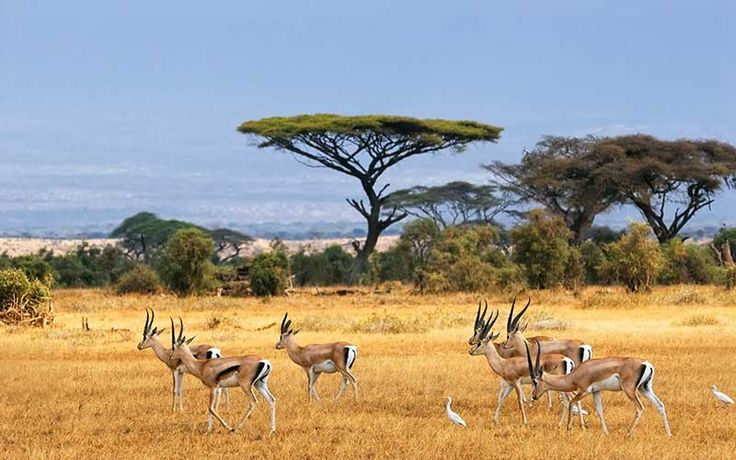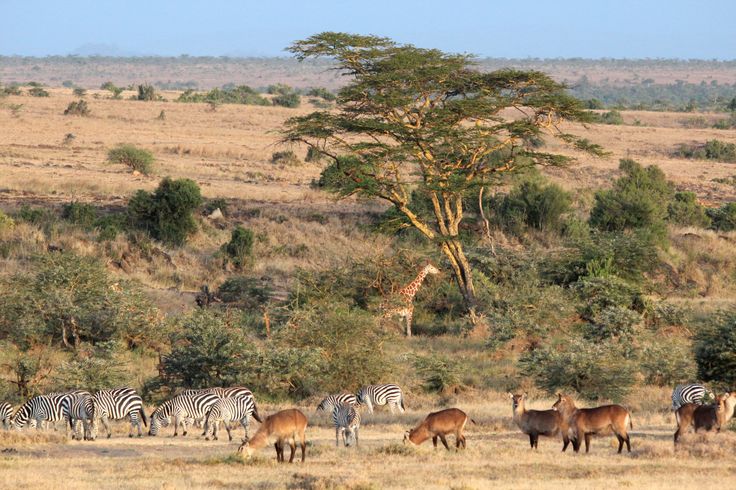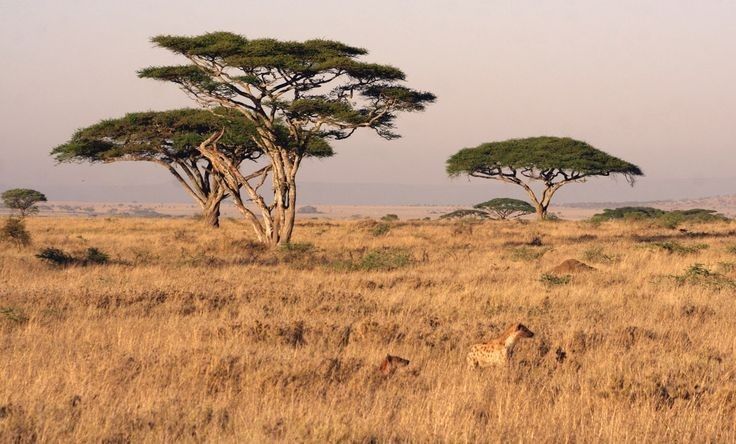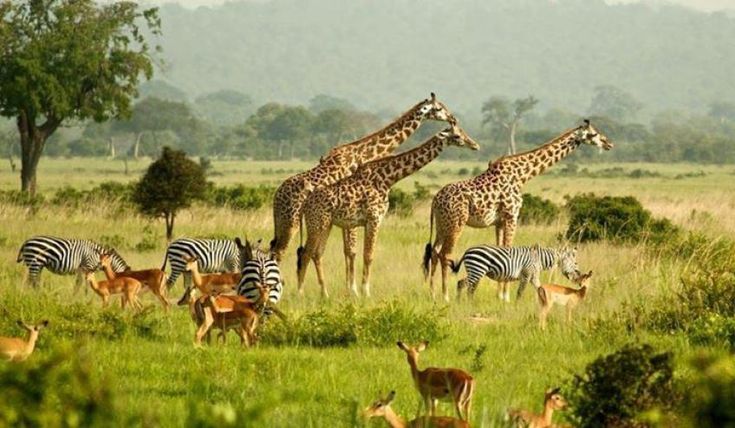
A family safari in Kenya is more than just a holiday—it is an opportunity to create lifelong memories while introducing children to one of the world’s most extraordinary natural environments. Watching elephants roam across open plains, hearing lions roar in the distance, spotting giraffes feeding from acacia trees, and learning about wildlife conservation firsthand are experiences that inspire curiosity and appreciation for nature in travelers of all ages.
Kenya has earned its reputation as one of Africa’s leading safari destinations not only because of its abundant wildlife but also because of its excellent tourism infrastructure. Many safari lodges, camps, and tour operators have developed family-friendly programs that cater to children, teenagers, parents, and even grandparents. With comfortable accommodations, experienced guides, child-focused activities, and well-planned itineraries, families can enjoy a safe and educational adventure without sacrificing comfort.
Whether you’re planning your children’s first safari or organizing a multigenerational holiday, Kenya offers a wide range of destinations and experiences that make family travel both exciting and rewarding.
Why Kenya Is Perfect for a Family Safari
Kenya combines spectacular wildlife with accessibility, making it an excellent destination for families traveling with children. Many national parks are easily reached from Nairobi, reducing long travel times and allowing visitors to maximize their safari experience.
The country’s diverse ecosystems mean families can experience more than just game drives. Depending on the destination, children can enjoy cultural visits, nature walks, birdwatching, junior ranger programs, and educational conservation activities that encourage learning through exploration.
Many safari lodges employ guides who are skilled at engaging younger visitors, explaining animal behavior in simple and entertaining ways while ensuring that game drives remain enjoyable for everyone.
Choosing the Right Age for a Safari
Parents often wonder whether their children are old enough for a safari. While there is no perfect age, many families successfully travel with children from the age of six and above. Older children and teenagers usually gain even more from the experience because they can appreciate wildlife behavior, conservation lessons, and longer game drives.
Some luxury lodges have minimum age requirements for game drives or walking safaris, while others offer specially designed family programs for younger children. Before booking, it’s important to confirm the policies of your chosen accommodation and tour operator.
If traveling with toddlers or very young children, selecting lodges that provide flexible schedules and family-friendly facilities will make the experience more comfortable.
Maasai Mara National Reserve
The Maasai Mara is one of the best destinations for families visiting Kenya. Its incredible wildlife density means children rarely have to wait long before spotting animals, helping to keep them engaged throughout the safari.
The reserve offers opportunities to see lions, elephants, giraffes, zebras, buffaloes, cheetahs, and countless other species in a relatively short period. During the Great Wildebeest Migration, families can witness one of nature’s greatest spectacles as millions of animals move across the savanna.
Many family-oriented lodges in the Maasai Mara provide educational wildlife talks, guided bush walks in designated areas, cultural experiences with the Maasai community, and child-friendly meals. Some even organize junior ranger activities that teach children how to identify animal tracks, birds, and plants.
Amboseli National Park
Amboseli National Park is another excellent choice for families, particularly those interested in elephants. The park is famous for its large elephant herds, many of which can be observed at close range while remaining safely inside safari vehicles.
The open landscape makes wildlife easier to spot, reducing the amount of time spent searching for animals. Children are often fascinated by the sight of elephants walking beneath the towering peak of Mount Kilimanjaro, creating unforgettable photographic opportunities.
Observation Hill provides panoramic views of the park and allows families to appreciate Amboseli’s wetlands, plains, and diverse habitats from a single viewpoint.
Lake Nakuru National Park
Lake Nakuru National Park is ideal for families looking for a shorter safari experience. Located within a comfortable driving distance from Nairobi, the park is renowned for its rhino conservation program and diverse birdlife.
Children often enjoy spotting both black and white rhinos while learning about the conservation efforts that protect these endangered animals. The park is also home to giraffes, zebras, buffaloes, baboons, and numerous bird species, providing plenty of wildlife encounters throughout the day.
Its relatively compact size allows families to see a wide variety of animals without spending long hours driving between different locations.
Samburu National Reserve
Families seeking a more unique safari experience should consider Samburu National Reserve. Unlike Kenya’s southern parks, Samburu is home to several rare species collectively known as the “Samburu Special Five,” including the Grevy’s zebra, reticulated giraffe, gerenuk, Beisa oryx, and Somali ostrich.
For children who have already visited other safari destinations, seeing wildlife that exists only in northern Kenya adds an exciting educational dimension to the trip.
The reserve also offers opportunities to learn about Samburu culture, providing valuable insights into traditional lifestyles that have coexisted with wildlife for generations.
Choosing Family-Friendly Accommodation
Accommodation can greatly influence the success of a family safari. Fortunately, many Kenyan lodges and tented camps are specifically designed with families in mind.
Family suites provide additional space and privacy, while interconnected rooms allow parents to remain close to younger children. Many lodges also offer swimming pools, spacious gardens, and communal areas where children can relax after game drives.
Some luxury properties provide babysitting services, children’s menus, and organized educational activities, allowing parents to enjoy some quiet time while younger guests remain entertained in a safe environment.
Selecting accommodation inside or close to national parks also reduces travel time and maximizes wildlife viewing opportunities.
Educational Experiences Beyond Game Drives
Although wildlife viewing remains the highlight of most safaris, Kenya offers numerous educational experiences that enrich a family holiday.
Visits to Maasai or Samburu villages allow children to learn about traditional customs, music, dance, and local craftsmanship. These cultural exchanges encourage respect for different ways of life while supporting local communities through responsible tourism.
Some conservancies organize conservation talks where families can meet wildlife researchers, veterinarians, or anti-poaching teams. Learning how animals are protected helps children understand the importance of preserving biodiversity.
Nature walks led by experienced guides introduce families to smaller aspects of the ecosystem, including insects, plants, animal tracks, and birdlife that might otherwise go unnoticed during vehicle-based safaris.
Keeping Children Engaged During Game Drives
Children naturally have shorter attention spans than adults, so planning game drives with flexibility is important.
Early morning drives often provide the best wildlife viewing, but shorter sessions may be more suitable for younger children. Experienced guides understand this and frequently adjust their pace to maintain children’s interest by pointing out birds, insects, animal tracks, and interesting behaviors.
Parents can also encourage engagement by giving children wildlife checklists or simple field guides to identify animals during the drive. Turning the safari into an interactive learning experience keeps children involved while helping them develop observation skills.
Frequent breaks at designated picnic areas or scenic viewpoints also help younger travelers remain comfortable throughout the day.
Safety Tips for Families
Kenya’s safari industry places a strong emphasis on visitor safety, but following basic guidelines ensures everyone enjoys a secure experience.
Children should always remain inside safari vehicles unless instructed otherwise by their guide. Wildlife should never be approached on foot outside designated areas, and loud noises should be avoided to prevent disturbing animals.
Parents should also ensure children stay hydrated, wear hats and sunscreen during game drives, and dress appropriately for changing temperatures. Early mornings can be surprisingly cool, while afternoons are often warm and sunny.
Listening carefully to the guide’s instructions helps create a safe environment for both visitors and wildlife.
Planning the Ideal Family Safari
For most families, a safari lasting between five and seven days provides the right balance between adventure and relaxation. Combining two parks, such as the Maasai Mara and Amboseli, allows children to experience different landscapes and wildlife without feeling rushed.
Avoid scheduling long daily drives whenever possible, particularly with younger children. Fly-in safaris may cost more but significantly reduce travel time and increase the amount of time available for wildlife viewing.
Booking well in advance is especially important during school holidays and the Great Wildebeest Migration season, when family-friendly lodges are often fully reserved months ahead.
Creating Memories That Last a Lifetime
A family safari offers something that few other holidays can provide: shared experiences that bring generations together. Watching a lion pride from a safe distance, celebrating a child’s first elephant sighting, or enjoying a sunset over the African savanna creates memories that remain vivid long after the journey ends.
Beyond the excitement of wildlife encounters, children often return home with a greater appreciation for conservation, geography, and cultural diversity. Many families discover that a safari inspires a lifelong interest in nature and responsible travel.
These shared moments strengthen family bonds while encouraging curiosity, respect, and a deeper understanding of the natural world.
Conclusion
A Family Safari in Kenya is one of the most rewarding travel experiences available for visitors of all ages. With its remarkable wildlife, welcoming hospitality, family-oriented lodges, and diverse national parks, Kenya provides the perfect setting for an educational and adventure-filled holiday.
Whether you choose the wildlife-rich plains of the Maasai Mara, the elephant paradise of Amboseli, the rhino sanctuary of Lake Nakuru, or the unique landscapes of Samburu, every destination offers opportunities for discovery and connection. By selecting the right itinerary, working with an experienced safari operator, and balancing wildlife viewing with cultural and educational activities, your family can enjoy a journey that is both exciting and meaningful.
A Kenyan family safari is far more than a vacation—it is an opportunity to experience the wonders of nature together, inspire the next generation of wildlife lovers, and create memories that will be treasured for years to come.