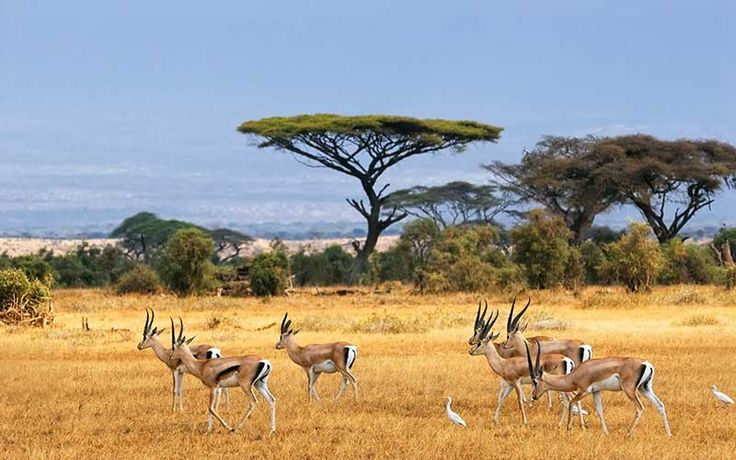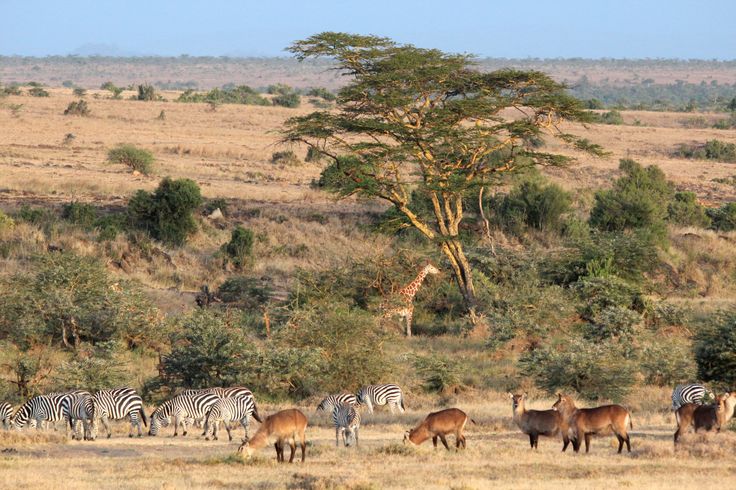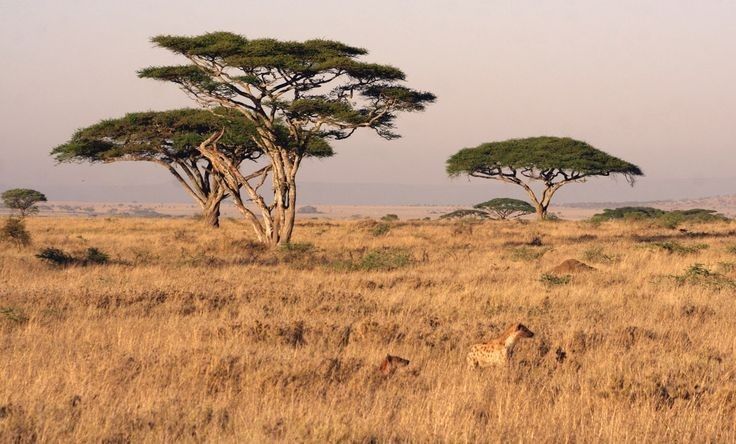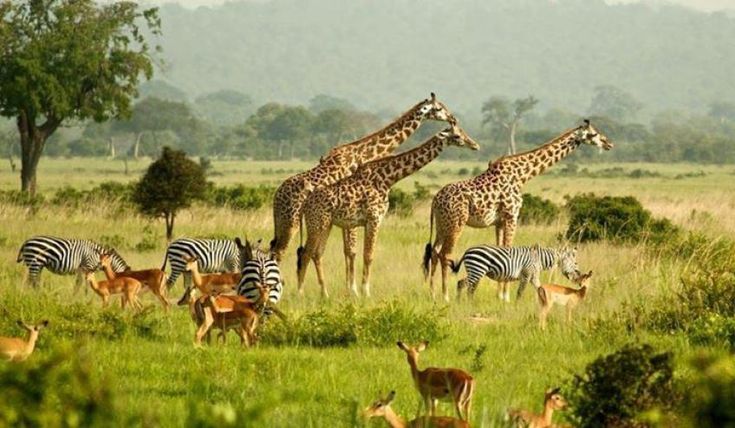
A safari in Kenya is every wildlife photographer’s dream. From the endless plains of the Maasai Mara and the elephant-filled landscapes of Amboseli to the rugged wilderness of Tsavo and the unique ecosystems of Samburu, Kenya offers countless opportunities to capture some of Africa’s most iconic wildlife. Whether you’re photographing a pride of lions basking in the morning sun, a cheetah sprinting across the savanna, or elephants walking beneath the snow-capped peak of Mount Kilimanjaro, every game drive presents moments worth preserving.
However, wildlife photography is about much more than owning an expensive camera. Success depends on patience, preparation, understanding animal behavior, and knowing how to work with changing light and unpredictable conditions. Even beginners can return home with stunning photographs by applying a few practical techniques and making the most of every safari opportunity.
This guide shares the best photography tips for capturing Kenya’s incredible wildlife, helping you improve your skills while making the most of your safari adventure.
Understand the Nature of Wildlife Photography
Unlike studio photography, wildlife photography offers no control over your subject. Animals move unpredictably, lighting changes constantly, and opportunities can appear and disappear within seconds. Every safari is different, which makes each successful photograph even more rewarding.
The key to great wildlife photography is patience. Some of the best images come after quietly waiting for an animal to change position, interact with others, or move into better light. Rather than rushing from one sighting to another, take time to observe behavior before pressing the shutter.
Experienced safari guides often recognize subtle signs that indicate interesting wildlife activity is about to occur. Listening to their advice can dramatically improve your chances of capturing memorable moments.
Choose the Right Camera Equipment
While professional cameras produce excellent results, modern mirrorless and DSLR cameras at almost every price point are capable of capturing outstanding wildlife photographs.
A telephoto lens is one of the most valuable pieces of equipment you can bring. Animals are often viewed from a safe distance, and a longer focal length allows you to fill the frame without disturbing them. A versatile zoom lens also makes it easier to adjust quickly when animals move closer or farther away.
If you enjoy photographing landscapes, consider carrying a second lens with a wider focal length. Kenya’s dramatic scenery, particularly in Amboseli and the Maasai Mara, deserves as much attention as its wildlife.
Extra batteries and memory cards are equally important. Long game drives, continuous shooting, and reviewing images throughout the day consume both storage and battery life faster than many first-time visitors expect.
Make the Most of the Golden Hours
Lighting is one of the most important elements of wildlife photography. Fortunately, safari schedules naturally coincide with the best times for photography.
Early morning game drives provide soft, warm light that enhances animal fur, reduces harsh shadows, and creates beautiful atmospheric conditions. Mist rising from the grasslands and the golden glow of sunrise often add depth and emotion to photographs.
Late afternoon offers similarly attractive lighting. As the sun begins to set, the warm tones of the African savanna create dramatic silhouettes and rich colors that are difficult to replicate at any other time of day.
Midday light is generally much harsher, producing strong shadows and higher contrast. If photographing during these hours, focus on close-up portraits, interesting behavior, or shaded areas where lighting is more balanced.
Learn Basic Camera Settings
Understanding a few essential camera settings will greatly improve your results.
Wildlife rarely stays still for long, so using a fast shutter speed helps freeze movement. Birds in flight, running cheetahs, and playful elephant calves all require quicker shutter speeds than resting animals.
Continuous autofocus allows your camera to track moving subjects more effectively, while burst shooting mode captures several frames in quick succession, increasing the likelihood of obtaining the perfect image.
If you’re new to photography, aperture priority mode offers a good balance between creative control and simplicity. As your confidence grows, experimenting with full manual mode can provide even greater flexibility.
The goal is not to memorize technical settings but to become comfortable adjusting them quickly as conditions change.
Focus on the Animal’s Eyes
One of the simplest ways to create compelling wildlife portraits is to ensure the animal’s eyes are sharp and in focus.
The eyes establish an emotional connection between the viewer and the subject. Whether photographing a lion, elephant, leopard, or giraffe, sharp eyes immediately draw attention and give the image greater impact.
When photographing from a safari vehicle, take your time before pressing the shutter. Wait until the animal briefly looks toward your direction or raises its head, creating a more engaging composition.
Capture Natural Behavior
Some of the most memorable safari photographs show animals behaving naturally rather than simply standing still.
Look for moments such as:
- A lioness grooming her cubs.
- Elephants protecting young calves.
- Giraffes feeding from acacia trees.
- Zebras interacting within a herd.
- Cheetahs scanning the horizon before hunting.
- Birds taking flight from a watering hole.
Behavioral photography tells a story and often becomes far more meaningful than a standard portrait.
Patience is essential. Spending several minutes observing one animal often produces stronger images than constantly searching for new subjects.
Include the Landscape
While close-up wildlife portraits are impressive, don’t overlook Kenya’s extraordinary scenery.
Wide-angle photographs showing animals within their environment help tell the complete story of the safari experience. A lone elephant walking beneath Mount Kilimanjaro or a herd of wildebeest crossing the vast plains of the Maasai Mara conveys scale and atmosphere that close-up images cannot.
Including trees, mountains, rivers, or dramatic skies adds context and creates a stronger sense of place.
Remember that Kenya’s landscapes are as iconic as the wildlife itself.
Photograph During the Great Wildebeest Migration
If you’re visiting between July and October, you’ll have the opportunity to photograph one of the greatest wildlife spectacles on Earth.
The Great Wildebeest Migration offers endless photographic opportunities, from enormous grazing herds stretching across the horizon to dramatic Mara River crossings filled with action and emotion.
These scenes can be fast-moving and unpredictable, so keeping your camera ready is essential. Continuous shooting mode is particularly useful during river crossings, where events unfold within seconds.
Patience remains important, as crossings do not occur on a fixed schedule. Waiting quietly may reward you with one of Africa’s most iconic wildlife moments.
Keep Your Background Clean
An excellent wildlife photograph isn’t determined solely by the subject. The background also plays a significant role.
Whenever possible, avoid distracting elements such as vehicles, buildings, or cluttered vegetation behind the animal. A clean background helps the subject stand out and creates a more professional-looking image.
Changing your shooting angle slightly or waiting for the animal to move into a better position can dramatically improve composition without requiring any advanced editing later.
Respect Wildlife While Photographing
Great wildlife photography should never come at the expense of animal welfare.
Maintain a respectful distance and avoid encouraging guides to move too close simply for a better photograph. Ethical safari operators prioritize the wellbeing of wildlife over photography opportunities.
Flash photography should also be avoided, particularly at close range or during night drives, as it may disturb animals.
The most rewarding wildlife photographs are those that capture authentic behavior without interfering with the natural environment.
Photograph More Than the Big Five
Although many visitors focus on lions, elephants, leopards, rhinos, and buffaloes, Kenya’s smaller wildlife can be equally fascinating.
Take time to photograph colorful birds, insects, reptiles, and smaller mammals. A lilac-breasted roller perched on a branch or a curious dwarf mongoose emerging from its burrow can create unique images that add variety to your safari portfolio.
Photographing landscapes, sunsets, safari vehicles, local communities, and camp life also helps tell the complete story of your journey.
A well-rounded collection of images often becomes more meaningful than a gallery consisting only of the Big Five.
Prepare Before Every Game Drive
Successful wildlife photography often begins before leaving camp.
Check that your batteries are fully charged, memory cards have enough space, and lenses are clean. Dust is common on safari, so carrying a microfiber cloth and lens blower helps keep your equipment in good condition throughout the trip.
Dress comfortably in neutral-colored clothing and avoid carrying unnecessary equipment that may slow you down or limit movement inside the safari vehicle.
Being prepared allows you to focus entirely on the wildlife once the game drive begins.
Edit Your Photos Carefully
Post-processing is an important part of modern photography, but subtle editing usually produces the most natural results.
Adjusting exposure, contrast, color balance, and sharpness can enhance an image without making it appear artificial. Cropping may also improve composition by removing distracting elements around the subject.
Avoid excessive saturation or heavy filters that alter the natural appearance of Kenya’s landscapes and wildlife. The beauty of the African savanna rarely requires dramatic editing.
Remember to keep original copies of your images before making any adjustments.
Tell a Story Through Your Photography
Rather than thinking of each photograph as an isolated image, aim to document the entire safari experience.
Capture the sunrise over the plains, your guide scanning the horizon, elephants gathering at a waterhole, birds flying overhead, and the golden sunset that ends the day. These moments create a visual narrative that reflects not only the wildlife but also the atmosphere and emotion of the journey.
Storytelling through photography transforms a collection of individual pictures into a memorable travel experience that can be shared with family, friends, or future travelers.
Conclusion
Mastering Kenya safari photography tips is less about owning the most expensive equipment and more about developing patience, observation, and an appreciation for the natural world. Kenya’s diverse landscapes and extraordinary wildlife provide endless opportunities for photographers of every skill level, from first-time visitors using entry-level cameras to seasoned professionals carrying specialized equipment.
By understanding animal behavior, making the most of natural light, focusing on composition, and respecting wildlife, you’ll dramatically improve the quality of your photographs while enjoying a more meaningful safari experience. Every sunrise game drive, dramatic wildlife encounter, and peaceful savanna landscape offers the chance to capture images that preserve not only what you saw but also how it felt to experience Kenya’s remarkable wilderness.
A safari may last only a few days, but the photographs you bring home will continue to tell the story of your adventure for years to come.