When people dream of an African safari, the images that often come to mind are vast golden plains stretching to the horizon, lions resting beneath acacia trees, elephants marching across open savannas, and millions of wildebeest moving in one of nature’s greatest migrations. These iconic scenes are synonymous with Kenya, a country that has earned its place as one of the world’s premier safari destinations.
For decades, Kenya has attracted wildlife enthusiasts, photographers, conservationists, and adventure travelers from every corner of the globe. Its remarkable diversity of landscapes, exceptional wildlife populations, rich cultural heritage, and well-developed tourism infrastructure create an experience that is both authentic and accessible. Whether you are embarking on your first safari or returning for another African adventure, Kenya offers something unique during every visit.
Beyond the famous game drives, Kenya provides opportunities to connect with local communities, witness world-class conservation efforts, enjoy luxury or budget accommodations, and experience landscapes that range from snow-capped mountains and freshwater lakes to semi-arid wilderness and tropical coastlines.
This guide explores why Kenya continues to rank among the world’s greatest safari destinations and why it deserves a place on every traveler’s bucket list.
Exceptional Wildlife Diversity
One of Kenya’s greatest strengths is the extraordinary variety of wildlife found across its protected areas. Few countries can match the abundance and diversity of animals that inhabit Kenya’s national parks, reserves, and conservancies.
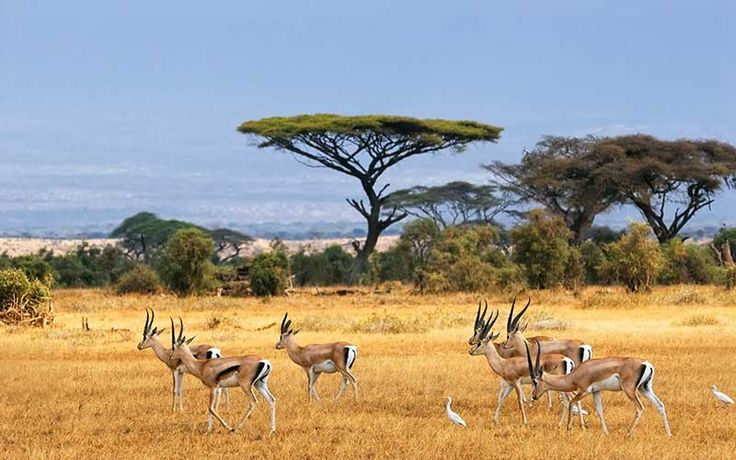
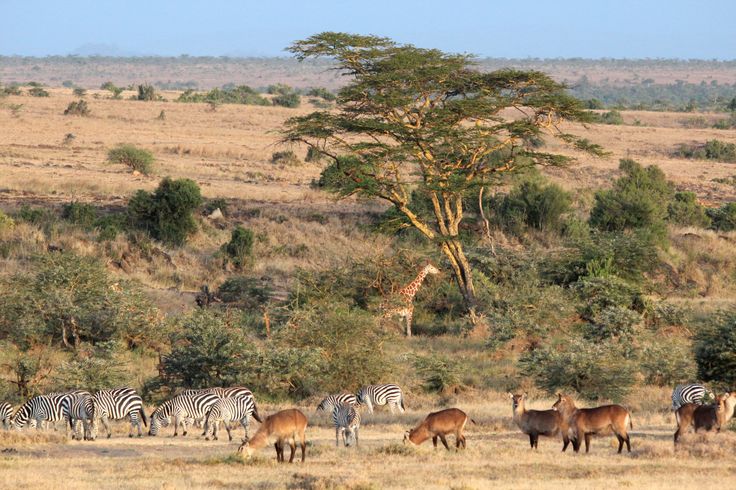
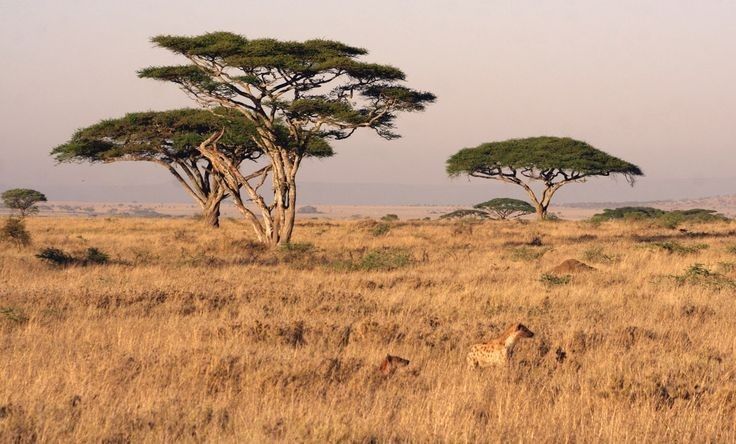
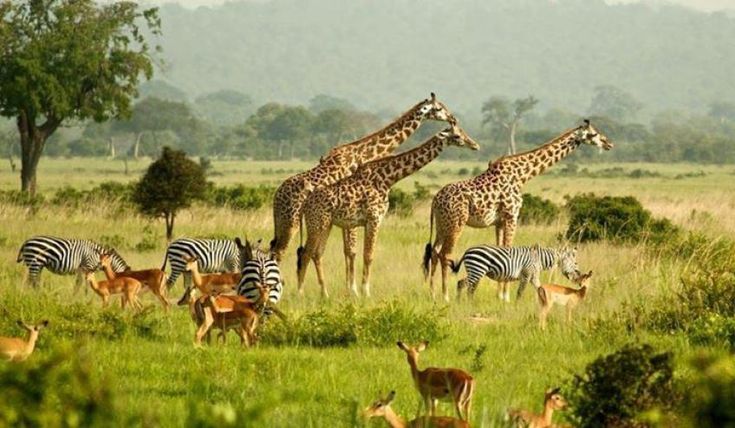
Visitors have the opportunity to encounter the famous Big Five—lion, elephant, leopard, rhinoceros, and buffalo—as well as cheetahs, giraffes, zebras, hippos, crocodiles, hyenas, wildebeests, gazelles, antelopes, and hundreds of bird species.
Each ecosystem supports different wildlife communities, ensuring that every safari offers new discoveries. While Amboseli is celebrated for its elephants, Samburu is home to rare northern species, and the Maasai Mara is internationally renowned for its predators and enormous herbivore populations.
This exceptional biodiversity ensures that no two game drives are ever the same.
Home of the Great Wildebeest Migration
One of the strongest reasons to visit Kenya for a safari is the opportunity to witness the Great Wildebeest Migration. Recognized as one of the most spectacular wildlife events on Earth, this annual movement sees more than two million wildebeests, zebras, and gazelles travel between Tanzania’s Serengeti and Kenya’s Maasai Mara in search of fresh grazing.
Between July and October, visitors gather along the Mara River to witness dramatic crossings as thousands of animals plunge into crocodile-filled waters while predators wait nearby for opportunities to hunt.
The migration is not simply a single event but an ongoing natural cycle involving birth, survival, migration, and predation. Every crossing unfolds differently, making each safari during this period completely unique.
For many travelers, witnessing this remarkable phenomenon becomes the defining moment of their African adventure.
World-Class National Parks and Reserves
Kenya’s network of protected areas offers remarkable variety, allowing travelers to choose destinations that best match their interests.
The Maasai Mara National Reserve is undoubtedly the country’s flagship safari destination, famous for its abundant wildlife and endless grasslands. Amboseli National Park offers breathtaking views of Mount Kilimanjaro alongside large elephant herds, while Tsavo East and Tsavo West together form one of Africa’s largest wildlife ecosystems.
Lake Nakuru National Park has become internationally recognized for rhino conservation and birdlife, whereas Samburu National Reserve introduces visitors to wildlife species found only in northern Kenya.
For those seeking quieter experiences, conservancies such as Ol Pejeta, Lewa, and Mara North provide exceptional wildlife viewing with fewer vehicles and greater opportunities for exclusive encounters.
The diversity of destinations means visitors can return to Kenya multiple times while enjoying entirely different safari experiences.
Outstanding Big Five Viewing
Kenya is one of the best places in Africa to see the Big Five in their natural habitats.
The Maasai Mara consistently delivers excellent sightings of lions, elephants, buffaloes, leopards, and rhinos, while Lake Nakuru and Ol Pejeta Conservancy have become important strongholds for endangered rhinoceroses.
Amboseli offers unforgettable elephant encounters, with some of Africa’s largest tuskers roaming beneath Mount Kilimanjaro. Tsavo’s famous red elephants, coated in the region’s distinctive volcanic soil, provide another uniquely Kenyan wildlife experience.
Although wildlife sightings can never be guaranteed, Kenya’s healthy animal populations and experienced safari guides provide visitors with excellent chances of completing the famous Big Five checklist.
Stunning Landscapes Beyond the Savanna
Although Kenya is famous for its sweeping grasslands, the country’s scenery extends far beyond the traditional savanna.
Travelers can explore volcanic landscapes in Hell’s Gate National Park, freshwater lakes in the Great Rift Valley, dense forests in the Aberdare Range, snow-capped peaks on Mount Kenya, and arid wilderness in northern Kenya.
The contrast between these ecosystems creates an extraordinary variety of photographic opportunities. One day may involve watching flamingos along a lake shoreline, while the next features elephants crossing open plains with Mount Kilimanjaro rising in the background.
This geographical diversity is one of Kenya’s greatest attractions, ensuring every safari itinerary feels dynamic and varied.
Rich Cultural Experiences
A Kenyan safari is not solely about wildlife. The country’s cultural diversity adds another meaningful dimension to every journey.
Many safari itineraries include visits to Maasai, Samburu, or other indigenous communities, where travelers can learn about traditional lifestyles, livestock management, music, dance, and craftsmanship. These experiences provide valuable insight into cultures that have coexisted with wildlife for centuries.
Responsible cultural tourism also creates economic opportunities for local communities while helping preserve important traditions and heritage.
Meeting local people often becomes one of the most memorable aspects of a Kenyan safari, reminding visitors that conservation and community development are closely connected.
Excellent Safari Infrastructure
Kenya’s tourism industry has developed over many decades, making it one of the easiest African countries in which to organize a safari.
International flights connect Nairobi with major cities around the world, while an extensive network of domestic flights provides quick access to popular parks. Well-maintained roads connect many destinations, giving travelers flexibility when planning their itineraries.
Accommodation ranges from affordable campsites and comfortable mid-range lodges to luxurious tented camps offering exceptional service, gourmet dining, and breathtaking views.
Professional safari guides receive extensive training in wildlife identification, conservation, and visitor safety, greatly enhancing the overall experience.
A Safari for Every Budget
One misconception about African safaris is that they are only for luxury travelers. In reality, Kenya offers experiences suitable for almost every budget.
Budget safaris allow students, backpackers, and families to enjoy incredible wildlife encounters through shared game drives and comfortable lodges. Mid-range packages balance affordability with comfort, while luxury safaris provide personalized service, exclusive accommodations, and private vehicles.
This flexibility makes Kenya accessible to a wide range of travelers without compromising the quality of the safari experience.
Regardless of budget, visitors still have opportunities to observe remarkable wildlife and explore world-famous national parks.
A Leader in Wildlife Conservation
Kenya has become a global leader in wildlife conservation, investing heavily in protecting endangered species and preserving critical habitats.
Numerous national parks, private conservancies, and community-managed conservation areas work together to combat poaching, restore ecosystems, and promote sustainable tourism. Organizations across the country conduct scientific research, wildlife monitoring, and habitat restoration while educating local communities about conservation.
Visitors contribute directly to these efforts through park entrance fees and responsible tourism, making every safari an opportunity to support the protection of Kenya’s natural heritage.
Learning about conservation initiatives often deepens visitors’ appreciation for the wildlife they encounter.
Outstanding Birdwatching Opportunities
While Kenya is best known for its large mammals, it is equally impressive for bird enthusiasts.
The country is home to more than 1,100 bird species, making it one of Africa’s premier birdwatching destinations. Wetlands, forests, lakes, and savannas each support distinct bird communities, providing year-round opportunities for observation.
From colorful lilac-breasted rollers and secretary birds to African fish eagles and crowned cranes, birdlife adds another exciting dimension to every safari.
Even travelers who arrive focused on the Big Five often leave with a newfound appreciation for Kenya’s extraordinary avian diversity.
Year-Round Safari Opportunities
Unlike some destinations that have limited travel seasons, Kenya offers rewarding safari experiences throughout the year.
The dry months between June and October provide excellent wildlife viewing, particularly during the Great Wildebeest Migration. January through March offers warm weather and outstanding opportunities to observe predators during the calving season.
The rainy seasons transform the landscape into vibrant shades of green while attracting migratory birds and reducing visitor numbers. Travelers seeking quieter parks and lower accommodation rates often find these periods especially appealing.
This year-round accessibility allows visitors to choose travel dates based on their interests rather than being restricted to a narrow safari window.
Combining Safari with Other Adventures
One of Kenya’s greatest advantages is the ability to combine a wildlife safari with other memorable experiences.
After exploring the savannas, many visitors continue their journey along Kenya’s Indian Ocean coastline, relaxing on the white-sand beaches of Diani, Watamu, or Malindi. Others choose to hike Mount Kenya, explore the Great Rift Valley, or enjoy water sports on Lake Naivasha.
This variety allows travelers to create well-rounded itineraries that combine adventure, relaxation, wildlife, culture, and nature within a single holiday.
Few destinations offer such diverse experiences within relatively short travel distances.
An Experience That Changes Perspectives
A safari in Kenya offers more than exciting wildlife sightings. It encourages visitors to slow down, appreciate nature, and better understand the delicate balance between people, wildlife, and the environment.
Watching elephants care for their young, observing predators hunt, or witnessing the annual migration reminds travelers of nature’s remarkable resilience and interconnectedness.
Many visitors leave Kenya with a renewed commitment to conservation and a deeper appreciation for biodiversity, making the safari experience both enjoyable and meaningful.
These lasting impressions are often what inspire travelers to return again and again.
Conclusion
For anyone wondering why visit Kenya for safari, the answer lies in the country’s extraordinary combination of wildlife, landscapes, culture, and conservation. Kenya offers some of the world’s finest opportunities to see the Big Five, witness the Great Wildebeest Migration, explore diverse ecosystems, and experience authentic African hospitality.
Whether you are photographing elephants beneath Mount Kilimanjaro, tracking predators across the Maasai Mara, discovering rare wildlife in Samburu, or learning about conservation in a private conservancy, every journey reveals a different side of Kenya’s remarkable natural heritage.
More than just a destination, Kenya represents the essence of the African safari. Its unforgettable wildlife encounters, rich cultural traditions, and commitment to sustainable tourism continue to inspire travelers from around the world, making it one of the finest safari destinations on the planet.