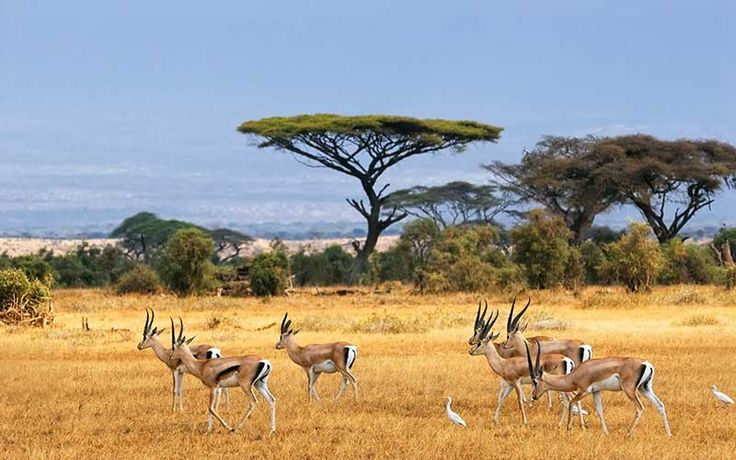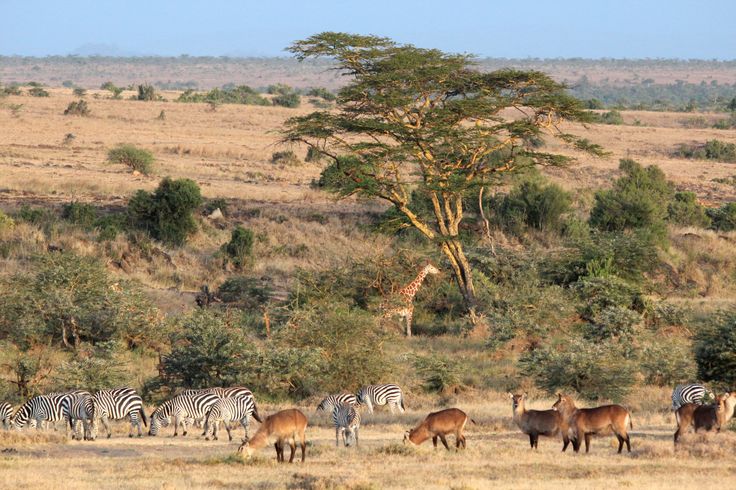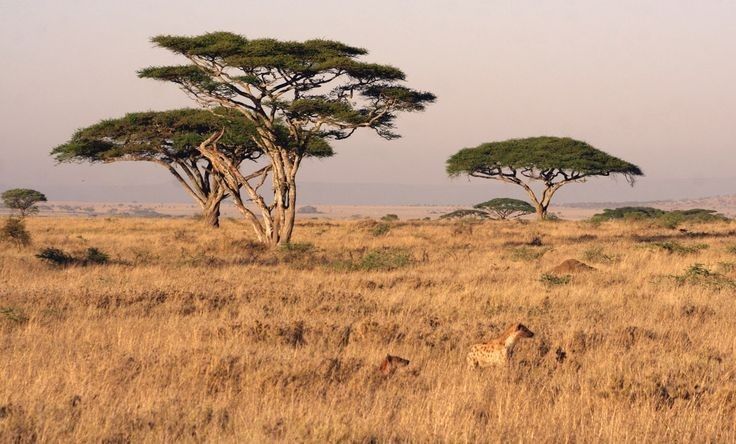
Preparing for a safari in Kenya is one of the most exciting parts of planning your adventure. Whether you’re heading to the wildlife-rich plains of the Maasai Mara, the elephant paradise of Amboseli National Park, the rugged landscapes of Tsavo, or the unique ecosystems of Samburu, packing the right items can make your journey significantly more comfortable and enjoyable.
Unlike a typical beach holiday or city break, a safari involves early morning game drives, changing weather conditions, long hours outdoors, and travel through remote wilderness areas. While safari lodges and camps provide many essential amenities, arriving well-prepared allows you to focus entirely on the incredible wildlife and breathtaking scenery instead of worrying about forgotten essentials.
One of the biggest mistakes first-time safari travelers make is overpacking. Large suitcases filled with unnecessary clothing quickly become inconvenient, especially on domestic flights that often have strict luggage limits. Instead, the goal is to pack smart by bringing versatile clothing, practical accessories, and equipment that enhances your safari experience without adding unnecessary weight.
This complete Kenya safari packing list covers everything you need to ensure your adventure is comfortable, safe, and memorable.
Understand Kenya’s Safari Climate
Before deciding what to pack, it’s important to understand the weather conditions you are likely to encounter.
Kenya’s safari destinations generally experience warm days, cool mornings, and pleasant evenings throughout most of the year. Temperatures can vary depending on altitude, season, and location. Morning game drives often begin before sunrise, when temperatures may feel surprisingly chilly, particularly in higher-altitude parks such as the Maasai Mara.
By midday, temperatures rise considerably, making lightweight clothing much more comfortable. Occasional rain showers may occur during the wet seasons, while dust is common on game drives throughout the year.
Packing clothing that can easily adapt to changing temperatures is therefore more practical than bringing heavy outfits for every possible condition.
Choose Comfortable Safari Clothing
Your clothing should prioritize comfort, practicality, and protection rather than fashion.
Neutral-colored clothing works best because it blends naturally into the environment and is less likely to attract insects. Shades such as khaki, beige, olive green, brown, and light grey are ideal for safari travel. Bright colors and camouflage clothing should generally be avoided, as camouflage may be restricted in some African countries and vivid colors can sometimes disturb wildlife.
Lightweight, breathable fabrics help keep you cool during warm afternoons while protecting your skin from the sun. Long-sleeved shirts and lightweight trousers are particularly useful because they provide additional protection against insects and reduce sun exposure during extended game drives.
Layering is the most effective approach. A light fleece or jacket can easily be removed once temperatures rise later in the morning.
Pack Comfortable Footwear
Although much of your safari takes place inside a vehicle, comfortable footwear remains important.
Closed walking shoes or lightweight hiking shoes are ideal for moving around safari lodges, visiting cultural villages, and participating in guided nature walks where permitted. Shoes with good grip provide additional stability on uneven paths.
A second pair of comfortable sandals or casual shoes is useful for relaxing around camp after game drives. Many lodges have well-maintained walkways, making lightweight footwear a comfortable option during the evenings.
Expensive mountaineering boots are generally unnecessary unless your itinerary includes hiking activities such as climbing Mount Longonot or trekking on Mount Kenya.
Protect Yourself from the Sun
Kenya enjoys abundant sunshine throughout the year, making sun protection an essential part of your packing list.
A wide-brimmed hat provides excellent protection for your face and neck during long game drives, while high-quality sunglasses help reduce glare and improve visibility when scanning the landscape for wildlife.
Sunscreen with a high SPF should be applied regularly, even on cloudy days, as prolonged exposure to ultraviolet rays can quickly cause sunburn. Lip balm with sun protection is another small but valuable item that many travelers overlook.
These simple precautions allow you to enjoy long hours outdoors without discomfort.
Bring Essential Photography Equipment
A safari offers countless photographic opportunities, so packing the right equipment ensures you can capture memorable moments.
If you’re bringing a camera, carry spare batteries and extra memory cards, as charging opportunities may be limited during long game drives. Dust is common in many parks, making a microfiber cleaning cloth and protective camera bag worthwhile additions.
Binoculars are equally valuable. While cameras capture images, binoculars allow you to observe distant wildlife in remarkable detail, making every game drive even more rewarding.
Even travelers using smartphones should consider carrying a portable power bank to keep devices charged throughout the day.
Don’t Forget Personal Documents
Before leaving home, organize all essential travel documents in one easily accessible location.
These typically include your passport, visa if required, travel insurance documents, flight confirmations, accommodation bookings, vaccination certificates where applicable, and emergency contact information.
Keeping digital copies stored securely on your phone or cloud storage provides an additional layer of security should physical documents become misplaced.
Carrying a small notebook and pen can also be surprisingly useful for recording wildlife sightings or important travel information.
Pack Basic Health and First Aid Supplies
Although safari operators and lodges maintain high safety standards, carrying a small personal medical kit is always recommended.
Include any prescription medications you require, along with common items such as pain relievers, antihistamines, adhesive bandages, antiseptic cream, and medication for stomach discomfort if needed.
Insect repellent is particularly important, especially during the evenings or when visiting areas near wetlands and rivers. Products containing effective mosquito repellents provide additional comfort throughout your stay.
Hand sanitizer and biodegradable wet wipes are also useful during long game drives between lodge stops.
Keep Luggage Lightweight
Many domestic safari flights within Kenya restrict baggage to soft-sided bags weighing approximately 15 kilograms, including hand luggage. Even when traveling by road, soft bags are much easier to fit into safari vehicles than large hard-shell suitcases.
Choosing versatile clothing that can be mixed and matched allows you to travel comfortably without carrying unnecessary weight. Most safari lodges also offer laundry services, making it unnecessary to pack a different outfit for every day.
Traveling light not only simplifies transportation but also leaves room for souvenirs purchased during your journey.
Dress Appropriately for Evenings
Evenings at safari lodges are generally relaxed and informal.
Comfortable trousers, casual shirts, lightweight dresses, or polo shirts are perfectly suitable for dinner. There is rarely a need for formal clothing unless you are staying at a luxury lodge hosting a special event.
Temperatures often drop after sunset, particularly during the dry season, so bringing a light sweater or fleece ensures you remain comfortable while enjoying dinner outdoors or sitting around the campfire.
A light waterproof jacket may also prove useful if rain showers occur.
Prepare for Early Morning Game Drives
Most safari adventures begin before sunrise, when wildlife is at its most active.
Having a small daypack ready each morning makes departures much easier. Keeping your camera, binoculars, water bottle, sunscreen, hat, and jacket together allows you to board the vehicle quickly without forgetting essential items.
Dressing in layers ensures you remain warm during the chilly morning hours while staying comfortable once temperatures rise later in the day.
Being prepared before leaving camp allows you to focus entirely on the wildlife rather than adjusting clothing or searching through luggage.
Items You Can Leave at Home
Many first-time safari travelers pack far more than they actually use.
Heavy suitcases, multiple formal outfits, expensive jewelry, high-heeled shoes, bulky hairdryers, and excessive toiletries are generally unnecessary. Most lodges provide basic toiletries, towels, and other essential amenities.
Similarly, avoid bringing overly bright clothing or camouflage-patterned garments. Neutral colors remain the most practical choice throughout your safari.
Packing fewer items creates a more enjoyable travel experience and makes moving between destinations significantly easier.
Optional Items That Enhance Your Safari
Although not essential, a few additional items can make your safari even more enjoyable.
A field guide to East African wildlife allows you to identify animals and birds during game drives. Journals provide an excellent way to record daily experiences, while reusable water bottles help reduce plastic waste and support environmentally responsible travel.
Travel adapters compatible with Kenyan electrical outlets ensure you can charge cameras, phones, and other electronic devices without difficulty.
A lightweight scarf or buff can also provide protection against dust during particularly dry game drives.
Responsible Packing for Sustainable Travel
As sustainable tourism becomes increasingly important, many travelers are choosing environmentally friendly alternatives when packing for safari.
Reusable water bottles, refillable toiletry containers, biodegradable soaps, and reusable shopping bags help reduce waste while supporting conservation efforts. Choosing eco-friendly products aligns with the values of many safari operators and conservancies that work to protect Kenya’s natural heritage.
Responsible travel begins before you even arrive, and thoughtful packing is one simple way to minimize your environmental impact.
Final Packing Checklist
Before leaving for Kenya, double-check that you have packed everything necessary for a comfortable safari.
Your essentials should include:
- Neutral-colored, lightweight clothing
- A warm jacket or fleece for mornings
- Comfortable walking shoes and sandals
- Wide-brimmed hat and sunglasses
- Sunscreen and insect repellent
- Camera, binoculars, batteries, and memory cards
- Passport, travel documents, and insurance details
- Prescription medications and a small first aid kit
- Reusable water bottle
- Portable power bank
- Soft-sided travel bag suitable for domestic flights
Packing efficiently ensures you spend less time worrying about logistics and more time enjoying Kenya’s extraordinary wildlife.
Conclusion
Creating the perfect Kenya safari packing list doesn’t require filling multiple suitcases with unnecessary gear. Instead, thoughtful preparation, practical clothing, and a few essential accessories are all you need to enjoy a comfortable and rewarding adventure. By dressing in layers, protecting yourself from the sun, carrying the right photography equipment, and packing light, you’ll be well prepared for everything from early morning game drives to unforgettable wildlife encounters across Kenya’s iconic savannas.
A well-packed safari bag allows you to travel with confidence, knowing you’re ready for changing weather, exciting game drives, and the unique experiences that make Kenya one of the world’s greatest safari destinations. With the right preparation, your focus can remain where it belongs—immersing yourself in the breathtaking beauty, remarkable wildlife, and unforgettable memories that await on your Kenyan safari.