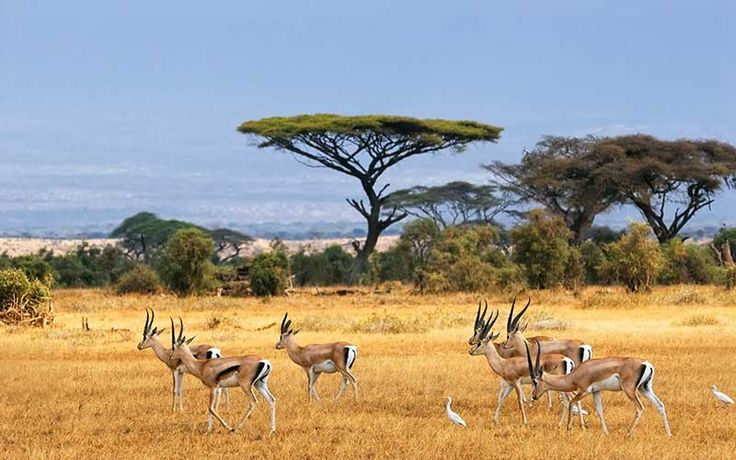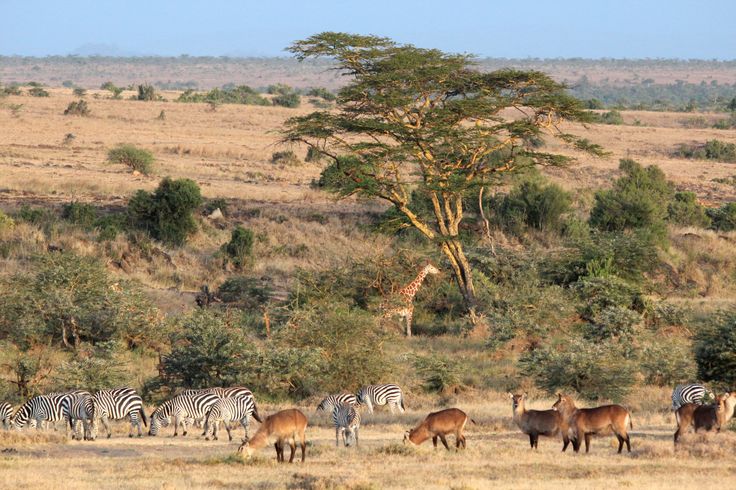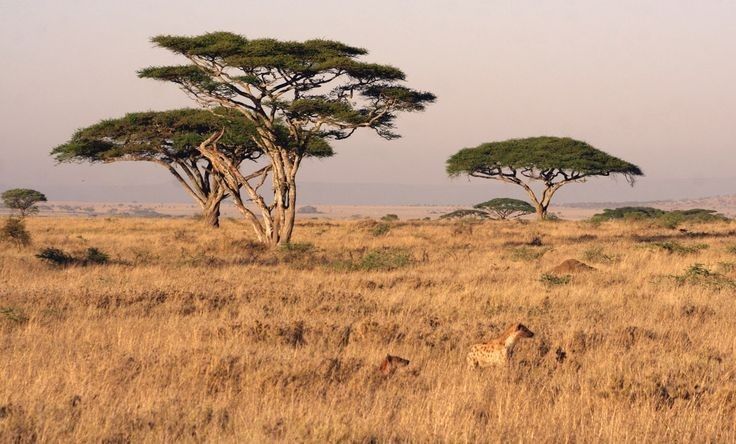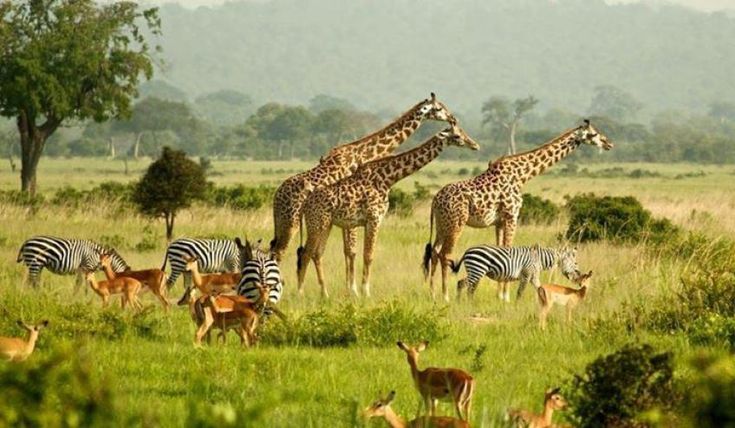
A safari in Kenya is unlike any other travel experience in the world. While many destinations offer opportunities to observe wildlife, few can match the diversity, scale, and authenticity of Kenya’s savannas. Here, nature unfolds without barriers or artificial settings. Lions roam freely across golden grasslands, elephants gather at watering holes beneath Mount Kilimanjaro, and millions of wildebeests thunder across the plains during one of Earth’s greatest wildlife migrations.
What truly sets Kenya apart is not simply the number of animals visitors can see but the extraordinary experiences that accompany every safari. Every sunrise game drive, every encounter with a predator, and every quiet moment watching wildlife interact creates memories that remain long after the journey ends.
Beyond the famous Big Five, Kenya offers unique wildlife encounters that cannot easily be replicated elsewhere. From witnessing dramatic river crossings to participating in conservation activities and exploring private conservancies, each safari provides opportunities to experience Africa’s natural heritage in meaningful ways.
This guide explores the top wildlife experiences you can only have on a Kenyan savanna safari and explains why Kenya continues to rank among the world’s finest wildlife destinations.
Witness the Great Wildebeest Migration
No wildlife event captures the imagination quite like the Great Wildebeest Migration. Every year, more than two million wildebeests, accompanied by hundreds of thousands of zebras and gazelles, move between Tanzania’s Serengeti National Park and Kenya’s Maasai Mara National Reserve in search of fresh grazing.
Between July and October, visitors to the Maasai Mara can witness dramatic Mara River crossings as massive herds plunge into crocodile-filled waters while predators wait nearby. The migration is unpredictable, making every crossing unique. Some unfold within minutes, while others involve hours of anticipation before the first animals commit to crossing.
Watching thousands of animals move together across the savanna is one of nature’s greatest spectacles and remains one of the primary reasons travelers visit Kenya.
Track the Big Five in Their Natural Habitat
Kenya is one of the best countries in Africa for observing the Big Five—lion, leopard, elephant, rhinoceros, and buffalo—in the wild.
Unlike wildlife parks where animals are confined to relatively small spaces, Kenya’s national parks and conservancies allow these species to move naturally across vast ecosystems. Experienced safari guides understand animal behavior and use their tracking skills to locate wildlife while respecting conservation guidelines.
The excitement of searching for a leopard hidden among riverine trees or encountering a pride of lions resting after a successful hunt creates an unforgettable sense of adventure.
Completing the Big Five during a single safari is a rewarding achievement, but the journey itself often proves even more memorable than the checklist.
Photograph Elephants Beneath Mount Kilimanjaro
One of Kenya’s most iconic safari scenes can be found in Amboseli National Park, where large elephant herds roam beneath the towering peak of Mount Kilimanjaro.
The combination of Africa’s highest mountain and some of the continent’s largest elephants creates spectacular photographic opportunities. Early mornings often provide the clearest mountain views before clouds gather around the summit, making sunrise game drives particularly rewarding.
Amboseli’s elephants are also among the most studied in Africa, and many individuals have been monitored by researchers for decades. Visitors often observe family groups displaying remarkable social behavior, including cooperation, communication, and protection of young calves.
Few wildlife experiences combine dramatic landscapes and intimate animal encounters as successfully as Amboseli.
Experience a Sunrise Game Drive
There is something magical about beginning the day before sunrise on the African savanna.
As the first light spreads across the grasslands, the wilderness gradually comes alive. Birds begin singing, predators complete their nighttime hunts, and herbivores emerge to graze while temperatures remain cool.
Morning game drives often provide the best wildlife viewing because many animals are most active during these hours. The soft golden light also creates ideal conditions for photography, transforming ordinary wildlife sightings into extraordinary visual memories.
The peaceful atmosphere of an early morning safari is an experience that stays with travelers long after they leave Kenya.
Observe Predator Hunts
Few wildlife encounters are as thrilling as witnessing predators in action.
Kenya’s healthy populations of lions, cheetahs, and leopards provide visitors with excellent opportunities to observe natural hunting behavior. Although hunts cannot be predicted, experienced guides often recognize signs that predators are preparing to stalk prey.
Watching a cheetah carefully approach a herd of gazelles or a pride of lions coordinating an evening hunt offers fascinating insights into the strategies these animals use to survive.
Even when hunts are unsuccessful, observing predator behavior highlights the complexity of life within the savanna ecosystem.
Visit a Private Wildlife Conservancy
While Kenya’s national parks receive most of the attention, private conservancies offer equally rewarding wildlife experiences with several additional advantages.
Conservancies limit visitor numbers, resulting in quieter game drives and more intimate wildlife encounters. They also permit activities that are restricted in many national parks, including guided walking safaris, night game drives, and off-road wildlife viewing in designated areas.
Many conservancies work closely with local communities, ensuring tourism directly supports conservation, education, and sustainable livelihoods.
Visitors seeking a more exclusive safari often find conservancies to be among the highlights of their Kenyan adventure.
Enjoy a Hot Air Balloon Safari
A hot air balloon safari offers a completely different perspective on Kenya’s remarkable landscapes.
Before sunrise, passengers quietly rise above the plains as wildlife begins moving below. From the air, visitors can appreciate the scale of the Maasai Mara while observing elephants, giraffes, wildebeests, and other animals from a unique vantage point.
The silence of the balloon allows passengers to absorb the beauty of the landscape without disturbing wildlife. After landing, many operators conclude the experience with a traditional bush breakfast served in the open savanna.
This combination of adventure, scenery, and wildlife makes balloon safaris one of Kenya’s most memorable experiences.
Discover Rare Wildlife Found Only in Northern Kenya
Not all of Kenya’s unique wildlife lives in the famous southern parks.
Samburu National Reserve is home to several rare species collectively known as the “Samburu Special Five.” These include the Grevy’s zebra, reticulated giraffe, Beisa oryx, gerenuk, and Somali ostrich.
These animals have adapted to northern Kenya’s semi-arid environment and are rarely seen elsewhere in East Africa.
Visiting Samburu allows travelers to expand their wildlife checklist while experiencing landscapes that differ dramatically from the grasslands of the Maasai Mara.
Learn About Wildlife Conservation
Modern safaris increasingly emphasize conservation alongside wildlife viewing.
Many lodges, conservancies, and research organizations offer visitors opportunities to learn about anti-poaching initiatives, habitat restoration, elephant monitoring, and rhino conservation programs.
Some experiences include visits to wildlife rehabilitation centers or discussions with conservation experts who explain the challenges facing Kenya’s biodiversity.
Understanding these conservation efforts adds greater meaning to wildlife encounters and highlights the important role responsible tourism plays in protecting endangered species.
Explore the Savanna on Foot
Walking through the African wilderness provides a completely different perspective from exploring by vehicle.
Guided walking safaris, available in selected conservancies and protected areas, allow visitors to appreciate smaller details often overlooked during game drives. Animal tracks, insects, birds, medicinal plants, and geological features become fascinating subjects as experienced guides explain the interconnectedness of the ecosystem.
Walking also heightens awareness of sounds, scents, and subtle wildlife signs that contribute to a deeper understanding of the savanna.
Although large wildlife may still be encountered, the emphasis is on learning rather than covering long distances.
Experience the African Night
The African wilderness changes dramatically after sunset.
Night game drives, available in many private conservancies, reveal an entirely different world populated by nocturnal species that remain hidden during the day. Bush babies, aardwolves, porcupines, genets, civets, and nocturnal birds become active under the cover of darkness.
Even familiar animals such as lions, hyenas, and leopards behave differently at night, providing unique opportunities to observe hunting and territorial behavior.
These experiences offer visitors a broader appreciation of Kenya’s remarkable biodiversity.
Connect with Local Communities
A Kenyan safari is also an opportunity to experience the country’s rich cultural heritage.
Visits to Maasai, Samburu, or other local communities provide valuable insight into traditional lifestyles that have coexisted with wildlife for centuries. Travelers learn about livestock management, traditional housing, music, beadwork, and cultural ceremonies while gaining a deeper understanding of how conservation and community development are closely connected.
Responsible cultural tourism creates employment opportunities while helping preserve important traditions for future generations.
These human connections often become as memorable as the wildlife itself.
Witness Nature’s Daily Rhythm
Perhaps the most unique aspect of a Kenyan safari is the opportunity to slow down and observe nature unfolding at its own pace.
Unlike structured attractions or scheduled performances, every wildlife encounter is authentic and unscripted. A quiet afternoon watching elephants drink at a waterhole, a family of giraffes browsing among acacia trees, or vultures circling above the plains all contribute to a deeper appreciation of the natural world.
These quieter moments remind visitors that the true beauty of a safari lies not only in dramatic sightings but also in simply being present within one of Earth’s most extraordinary ecosystems.
Conclusion
The unique safari experiences Kenya offers extend far beyond traditional game drives. From witnessing the Great Wildebeest Migration and photographing elephants beneath Mount Kilimanjaro to exploring private conservancies, walking through the savanna, and learning about conservation, Kenya delivers wildlife encounters that are both thrilling and deeply meaningful.
Every destination offers its own distinctive experiences, ensuring that no two safaris are ever the same. Whether you’re observing predators on the hunt, discovering rare northern species in Samburu, floating above the Maasai Mara in a hot air balloon, or connecting with local communities, each moment contributes to an unforgettable journey through one of Africa’s most remarkable landscapes.
A Kenyan safari is not simply about seeing wildlife—it is about experiencing the rhythm of nature, supporting conservation, and creating memories that will last a lifetime.