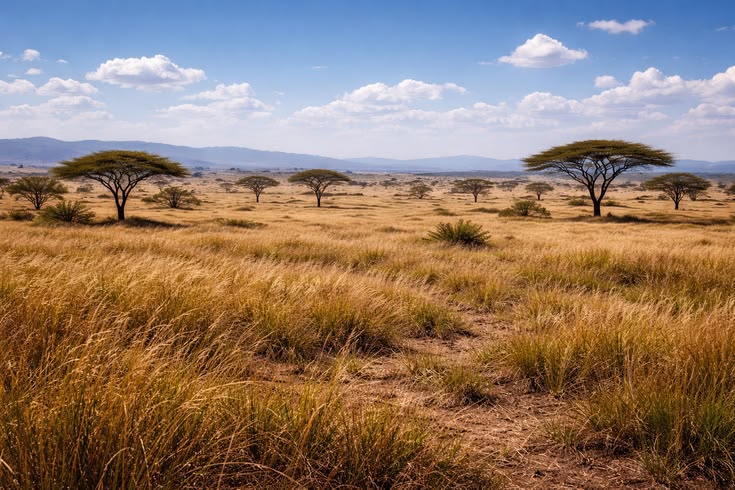
Planning your first safari is an exciting experience, and few destinations compare to Kenya when it comes to wildlife, breathtaking landscapes, and unforgettable adventures. As the birthplace of the classic African safari, Kenya offers visitors the chance to witness the Big Five, explore vast golden savannas, meet vibrant local communities, and experience some of the world’s most spectacular natural events, including the Great Wildebeest Migration.
For first-time visitors, however, organizing a safari can feel overwhelming. Questions about the best parks to visit, the ideal travel season, accommodation options, transportation, budgeting, and what to pack often make planning more complicated than expected. With numerous tour operators and safari packages available, choosing the right itinerary requires careful consideration.
This beginner’s guide walks you through every stage of planning your first savanna safari in Kenya. Whether you’re traveling solo, as a couple, with family, or in a group, these practical tips will help you prepare for an unforgettable wildlife adventure.
Why Choose Kenya for Your First Safari?
Kenya remains one of the most popular safari destinations in the world, and for good reason. The country combines exceptional wildlife, well-developed tourism infrastructure, experienced safari guides, and a wide range of accommodation options suitable for every budget.
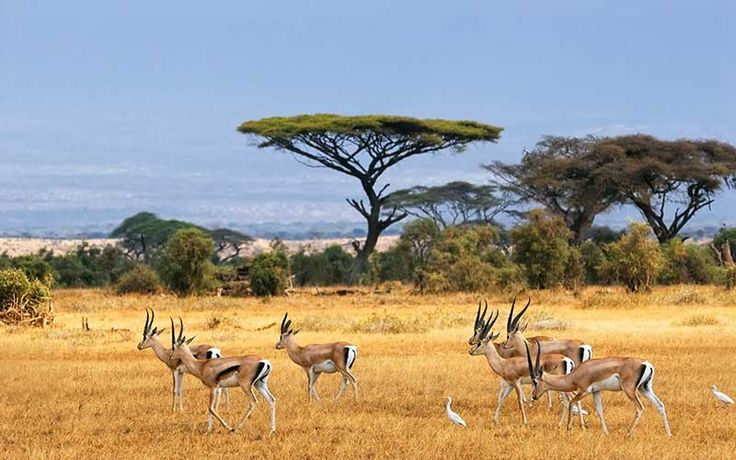
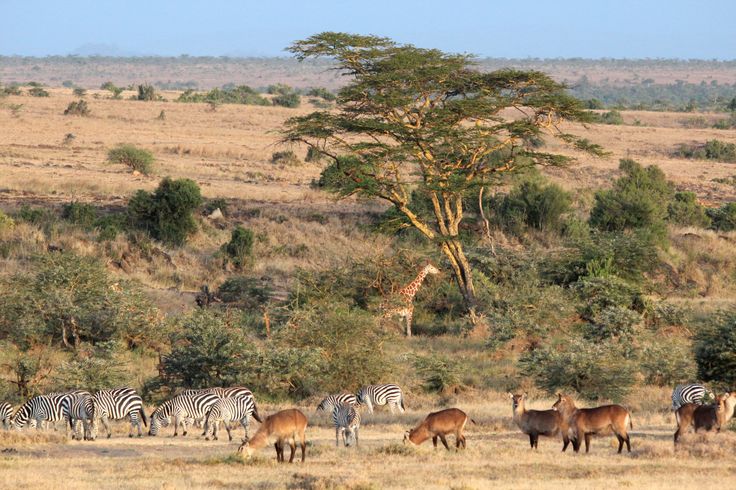
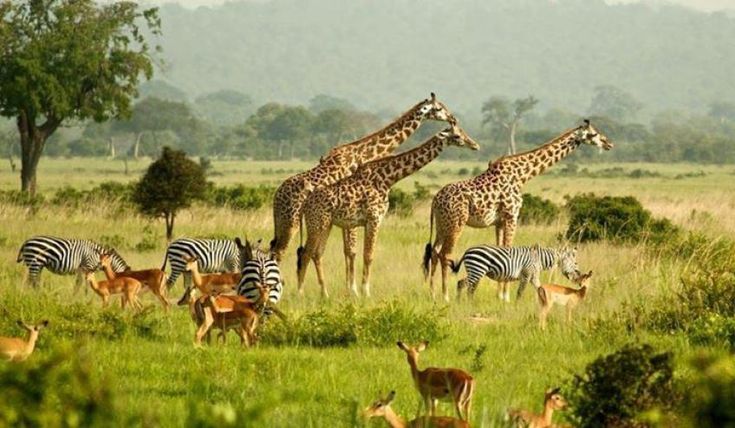
Kenya’s protected areas are home to an incredible variety of animals, including lions, elephants, leopards, rhinos, buffaloes, cheetahs, giraffes, zebras, hippos, and countless bird species. Many parks are easily accessible from Nairobi, making it possible to experience an authentic safari even during a relatively short holiday.
Beyond wildlife, visitors also have the opportunity to learn about Kenya’s diverse cultures, particularly through interactions with Maasai and Samburu communities. These cultural experiences add depth to a safari and provide a better understanding of the people who have lived alongside wildlife for generations.
Decide When to Travel
One of the first decisions you’ll make is choosing the right time to visit. Fortunately, Kenya offers rewarding safari experiences throughout the year, although each season has its own advantages.
The dry season, from June to October, is widely regarded as the best period for wildlife viewing. During these months, vegetation becomes thinner and animals gather around rivers and waterholes, making them easier to spot. This is also the time when the Great Wildebeest Migration reaches the Maasai Mara, creating one of the most spectacular wildlife events on Earth.
The months between January and March are another excellent option. The weather is warm, wildlife remains active, and many herbivores give birth, attracting predators such as lions and cheetahs.
Travelers looking for lower prices and fewer crowds may prefer the rainy seasons. Although occasional showers occur, the landscapes become lush and green, creating beautiful conditions for photography while accommodation prices are often significantly reduced.
Choose the Right Safari Destination
Kenya has numerous national parks and reserves, each offering a unique safari experience. Rather than trying to visit too many parks in one trip, first-time visitors should focus on two or three destinations that match their interests.
The Maasai Mara National Reserve is the country’s most famous safari destination. Known for its abundant wildlife and the annual Great Wildebeest Migration, it offers excellent opportunities to see the Big Five and is often the first choice for international visitors.
Amboseli National Park is renowned for its large elephant herds and breathtaking views of Mount Kilimanjaro. It is an excellent destination for photography and ideal for travelers who appreciate dramatic scenery.
Tsavo East and Tsavo West National Parks together form one of Kenya’s largest protected ecosystems. Their vast landscapes, volcanic features, and red elephants provide a more remote safari experience.
Lake Nakuru National Park is particularly famous for rhino conservation and birdlife, while Samburu National Reserve offers visitors the chance to see rare northern species such as the Grevy’s zebra, reticulated giraffe, and gerenuk.
If time is limited, combining the Maasai Mara with either Amboseli or Lake Nakuru creates an excellent introduction to Kenya’s wildlife.
Determine Your Budget
Safari costs vary considerably depending on the level of comfort you prefer. Before booking, establish a realistic budget that includes accommodation, transportation, park entrance fees, meals, and optional activities.
Budget safaris typically involve shared vehicles and simple lodges or tented camps. They provide excellent value and still offer fantastic wildlife viewing.
Mid-range safaris combine comfortable accommodation with quality service and are often the most popular option for first-time travelers.
Luxury safaris include premium lodges, private game drives, gourmet dining, and highly personalized service. Although more expensive, they provide greater comfort and flexibility.
Remember to account for additional expenses such as travel insurance, tips for guides, souvenirs, and optional experiences like hot air balloon safaris.
Decide Between a Group or Private Safari
Another important choice is whether to join a group safari or book a private tour.
Group safaris are generally more affordable because transportation and guiding costs are shared among several travelers. They also provide opportunities to meet people from different countries and are ideal for solo travelers.
Private safaris offer greater flexibility. You can decide when to begin game drives, how long to spend observing wildlife, and customize your itinerary according to your interests. Families with young children and photographers often prefer private tours because they allow more freedom.
Your decision should depend on your budget and preferred travel style rather than the quality of wildlife viewing, as both options visit the same national parks.
Choose the Right Accommodation
Accommodation plays a significant role in your overall safari experience. Kenya offers everything from basic campsites to luxurious safari lodges.
Budget lodges provide comfortable rooms and essential amenities, making them suitable for travelers seeking affordability.
Tented camps offer a unique combination of adventure and comfort. Modern camps usually feature private bathrooms, comfortable beds, hot showers, and excellent dining while allowing guests to feel immersed in nature.
Luxury lodges provide spacious suites, exceptional service, gourmet cuisine, and spectacular views overlooking the savanna. Some even have swimming pools, spas, and private viewing decks where wildlife can often be seen without leaving the property.
When choosing accommodation, consider its location. Lodges situated inside or close to national parks reduce travel time and allow more opportunities for wildlife viewing.
Book with a Reputable Safari Operator
Choosing the right safari company is one of the most important decisions you’ll make. A reputable operator ensures your safety, comfort, and overall experience.
Before booking, research customer reviews, compare itineraries, and confirm exactly what is included in the package. Some tours include park entrance fees, meals, accommodation, and airport transfers, while others charge separately for these services.
An experienced guide can greatly enhance your safari by identifying wildlife, explaining animal behavior, and sharing insights into Kenya’s ecosystems and conservation efforts.
Booking several months in advance is recommended, particularly if you plan to travel during the peak migration season.
Prepare for Daily Safari Life
A typical safari day begins early, often before sunrise, when wildlife is most active. Morning game drives usually last several hours before returning to camp for breakfast or lunch.
After some time to relax, another game drive takes place in the late afternoon as temperatures cool and animals become active again. Evenings are often spent enjoying dinner around a campfire or listening to the sounds of the African wilderness.
Safari schedules are designed around animal behavior rather than convenience, so early mornings and patience are part of the experience.
Respect Wildlife and Nature
One of the most rewarding aspects of a safari is observing animals behaving naturally in their own environment. Responsible tourism helps ensure these ecosystems remain healthy for future generations.
Always follow your guide’s instructions and remain inside the safari vehicle unless you are in a designated area. Avoid making loud noises or attempting to attract animals for photographs.
Never feed wildlife or leave litter in protected areas. Maintaining a respectful distance allows animals to behave naturally while ensuring everyone’s safety.
Supporting eco-friendly safari operators also contributes to wildlife conservation and benefits local communities that depend on sustainable tourism.
Essential Packing Tips
Packing wisely makes your safari more comfortable without overloading your luggage.
Bring lightweight clothing in neutral colors such as khaki, olive, or beige, which blend into the environment and are less likely to attract insects. A light jacket is useful for cool mornings, while comfortable walking shoes are suitable for lodge grounds and cultural visits.
Other essentials include sunscreen, sunglasses, a wide-brimmed hat, insect repellent, binoculars, a reusable water bottle, a camera with extra memory cards, and a power bank for charging electronic devices.
Avoid brightly colored clothing and camouflage patterns, as these may not be appropriate in some areas.
Capture the Experience, Not Just the Photos
While photography is an important part of any safari, remember to occasionally put the camera down and simply enjoy the moment. Watching a lion pride resting beneath an acacia tree or listening to elephants communicating across the plains creates memories that no photograph can fully capture.
Take time to appreciate the landscapes, the changing light, and the remarkable diversity of life around you. A safari is as much about experiencing nature as it is about documenting it.
Conclusion
Planning your first safari in Kenya doesn’t have to be complicated. By choosing the right travel season, selecting parks that match your interests, working with a reputable tour operator, and preparing well in advance, you can enjoy a seamless and rewarding adventure. Whether you spend your days watching the Great Wildebeest Migration in the Maasai Mara, photographing elephants in Amboseli, or exploring the remote wilderness of Samburu, every destination offers unforgettable encounters with Africa’s incredible wildlife.
Your first safari is likely to be the beginning of a lifelong passion for wildlife and conservation. Kenya’s welcoming hospitality, spectacular landscapes, and extraordinary biodiversity create an experience that stays with travelers long after they return home. With thoughtful planning and an open spirit of adventure, your first Kenyan safari will be everything you’ve imagined—and more.