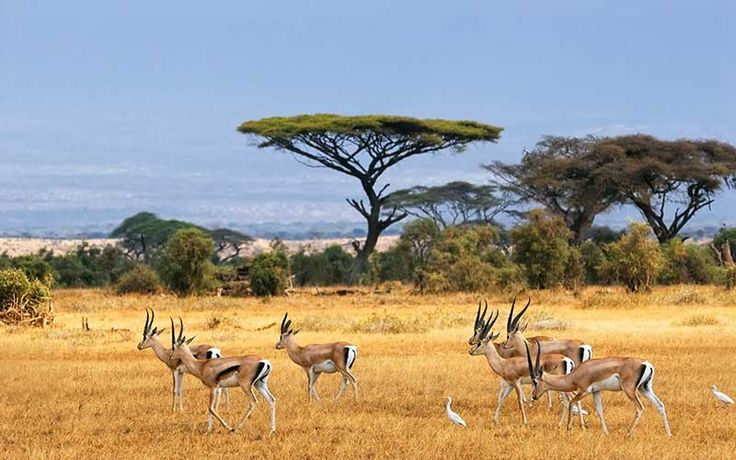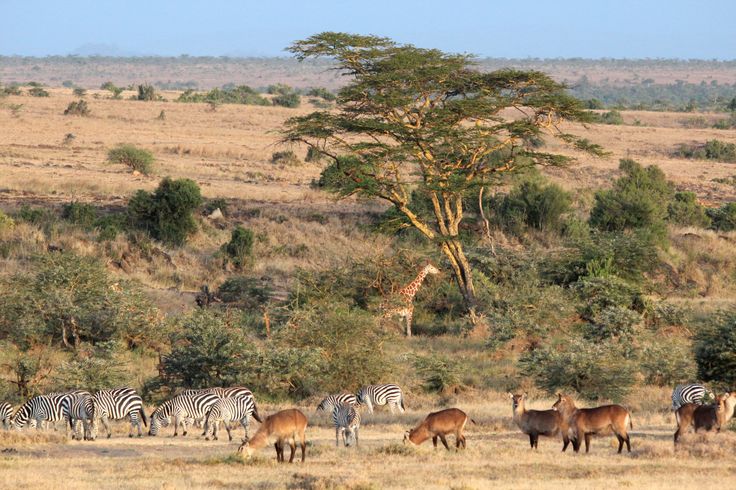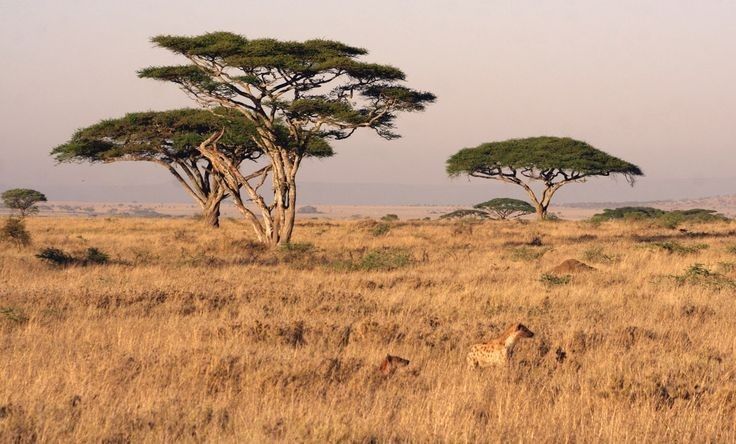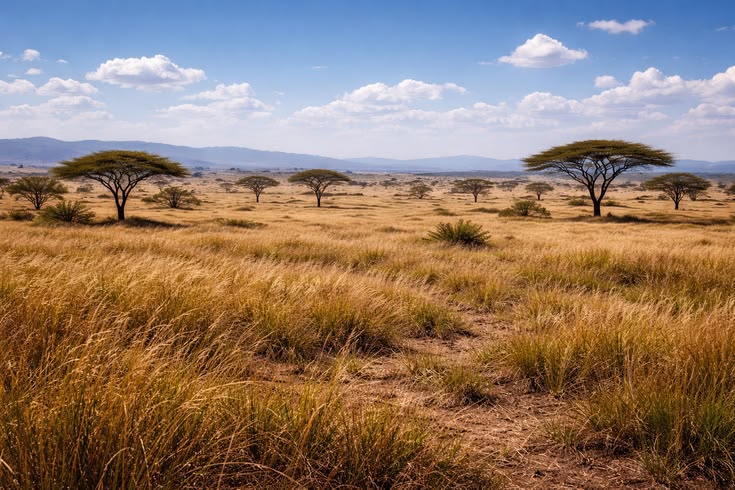
Few wildlife experiences compare to the excitement of seeing the Big Five in their natural habitat. For many travelers, spotting these magnificent animals is the highlight of an African safari, and Kenya remains one of the best destinations in the world to make that dream a reality. With its vast savannas, well-managed national parks, and thriving wildlife populations, Kenya offers exceptional opportunities to encounter lions, leopards, elephants, rhinoceroses, and buffaloes in a single journey.
Originally coined by big-game hunters, the term “Big Five” referred to the five most difficult and dangerous animals to hunt on foot. Today, the phrase has taken on a completely different meaning. Rather than representing hunting achievements, the Big Five symbolize Africa’s incredible biodiversity and the success of conservation efforts aimed at protecting these iconic species. Modern safaris focus on observing, photographing, and appreciating these animals in the wild while supporting sustainable tourism and conservation.
Whether you’re planning your first safari or returning for another adventure, understanding where to find each of the Big Five will help you make the most of your visit. This guide explores Kenya’s most iconic wildlife, the best parks for viewing them, and why protecting these remarkable animals is more important than ever.
What Are the Big Five?
The Big Five consist of five large mammals that have become the ultimate symbols of an African safari:
- Lion
- African elephant
- Leopard
- Rhinoceros
- African buffalo
Each species plays an important ecological role within Kenya’s diverse ecosystems. Together, they attract millions of visitors every year and contribute significantly to wildlife conservation through tourism revenue.
Although seeing all five animals during one safari is possible, each species behaves differently and occupies different habitats. Patience, experienced guides, and choosing the right destinations all increase your chances of completing the Big Five checklist.
The African Lion: Kenya’s Majestic Predator
The lion is perhaps Africa’s most recognizable animal and one of the main reasons travelers visit Kenya. Living in social groups known as prides, lions dominate the savanna as apex predators. Their powerful presence, distinctive roar, and complex social behavior make every sighting unforgettable.
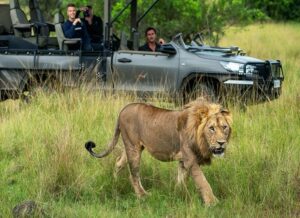
Unlike many cats, lions spend much of the day resting to conserve energy. They become more active during the cooler hours of early morning, late afternoon, and nighttime, when they hunt zebras, wildebeests, buffaloes, and other herbivores.
The Maasai Mara National Reserve is widely regarded as the best place in Kenya to observe lions. The reserve supports one of Africa’s healthiest lion populations, and visitors often witness prides hunting or caring for their cubs. Amboseli National Park, Tsavo East, Tsavo West, and Nairobi National Park also provide excellent opportunities to see these magnificent predators.
Watching a pride interact, communicate, and protect its territory offers valuable insight into the social dynamics of one of Africa’s most fascinating animals.
The African Elephant: Gentle Giant of the Savanna
The African elephant is the world’s largest land mammal and one of Kenya’s greatest conservation success stories. These intelligent animals are highly social and live in family groups led by experienced matriarchs. Their remarkable memory, emotional intelligence, and strong family bonds have fascinated scientists and wildlife enthusiasts for decades.
Elephants play a crucial role in maintaining healthy ecosystems. By knocking down trees, dispersing seeds, and creating pathways through vegetation, they shape the landscape in ways that benefit countless other species.
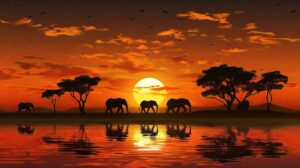
No destination showcases elephants better than Amboseli National Park. The park is internationally famous for its large elephant herds and the spectacular backdrop of Mount Kilimanjaro. The sight of elephants crossing open plains beneath Africa’s highest mountain has become one of the most iconic images of an African safari.
Large elephant populations can also be found in Tsavo East National Park, Tsavo West National Park, Samburu National Reserve, and Meru National Park.
The Elusive Leopard
Among the Big Five, the leopard is often the most difficult animal to spot. Solitary, secretive, and exceptionally well camouflaged, leopards spend much of their time hidden among dense vegetation or resting in the branches of large trees.
Unlike lions, leopards hunt alone and rely on stealth rather than teamwork. After making a successful kill, they frequently drag their prey into trees to protect it from scavengers such as hyenas and lions.
The Maasai Mara is one of Kenya’s premier destinations for leopard sightings, particularly along riverbanks lined with large fig and acacia trees. Samburu National Reserve and Meru National Park also offer excellent opportunities to observe these beautiful cats.
Patience is essential when searching for leopards. Experienced safari guides often recognize subtle signs such as alarm calls from birds or antelope that indicate a leopard may be nearby.
Rhinoceroses: A Conservation Success Story
Rhinos are among the rarest and most endangered members of the Big Five. Kenya protects both black and white rhinoceroses through intensive conservation programs that include anti-poaching patrols, habitat management, and carefully monitored breeding initiatives.
Black rhinos are generally smaller, more aggressive, and browse on shrubs and bushes, while white rhinos are larger grazers that feed mainly on grass.
One of the best places to see rhinos is Lake Nakuru National Park, which has become a leading sanctuary for both species. Nairobi National Park also supports a thriving black rhino population despite being located just outside Kenya’s capital city.
Ol Pejeta Conservancy, although privately managed, is another internationally recognized rhino conservation area and is home to some of the world’s last remaining northern white rhinos.
Seeing a rhino in the wild is a reminder of the importance of conservation and the collective efforts being made to ensure these remarkable animals survive for future generations.
The African Buffalo
Often underestimated by first-time safari visitors, the African buffalo is one of the continent’s most formidable animals. These powerful herbivores live in large herds that may contain hundreds of individuals, offering protection against predators.
Buffaloes spend much of their time grazing and staying close to water sources. Despite their calm appearance, they are highly protective of their herd and can be extremely dangerous when threatened.
They are commonly seen in the Maasai Mara, Amboseli, Tsavo East, Tsavo West, Lake Nakuru, and Meru National Park. During the dry season, buffalo herds often gather near rivers and wetlands, making them easier to locate.
Watching interactions between buffaloes and predators such as lions provides some of the most dramatic moments on safari.
Can You See All the Big Five in One Safari?
Yes, it is entirely possible to see all five animals during a single safari, especially if you spend several days exploring Kenya’s leading wildlife destinations.
The Maasai Mara offers the highest probability of seeing lions, elephants, buffaloes, leopards, and rhinos within one reserve. Combining the Maasai Mara with Lake Nakuru or Ol Pejeta Conservancy further increases your chances, particularly for rhino sightings.
While wildlife sightings can never be guaranteed, experienced guides understand animal behavior and know where different species are most likely to be found.
Best National Parks for a Big Five Safari
Several Kenyan parks stand out for their exceptional wildlife viewing opportunities.
The Maasai Mara National Reserve remains the country’s premier safari destination thanks to its extraordinary predator populations and abundance of herbivores. It is also the best place to witness the Great Wildebeest Migration between July and October.
Amboseli National Park is unmatched for elephant viewing and offers excellent opportunities to see lions and buffaloes against the dramatic backdrop of Mount Kilimanjaro.
Lake Nakuru National Park has earned international recognition for rhino conservation and is an excellent addition to any Big Five itinerary.
Tsavo East and Tsavo West National Parks provide vast wilderness areas where visitors can encounter elephants, lions, buffaloes, leopards, and protected rhino populations.
For travelers seeking quieter safari experiences, Meru National Park and Ol Pejeta Conservancy offer outstanding wildlife viewing with fewer crowds.
Best Time for a Big Five Safari in Kenya
Wildlife can be seen throughout the year, but the dry seasons generally provide the best viewing conditions.
From June to October, vegetation becomes less dense, making animals easier to spot as they gather around water sources. This period also coincides with the Great Wildebeest Migration, bringing increased predator activity to the Maasai Mara.
The months of January to March are another excellent time to visit. Warm temperatures, clear skies, and the calving season create outstanding opportunities to observe predators hunting young herbivores.
Although the rainy seasons bring greener landscapes, wildlife remains abundant, and parks are generally less crowded, making them attractive for travelers seeking a quieter safari.
Responsible Wildlife Viewing
A successful safari is not only about seeing animals but also about respecting their natural environment.
Visitors should always follow their guide’s instructions, remain inside safari vehicles unless instructed otherwise, and avoid making loud noises that may disturb wildlife. Feeding animals or attempting to attract their attention for photographs should never be encouraged.
Supporting reputable safari operators that prioritize conservation and community involvement helps ensure Kenya’s wildlife continues to thrive. Tourism plays a vital role in funding conservation projects, protecting habitats, and creating employment opportunities for local communities living alongside wildlife.
By traveling responsibly, visitors contribute directly to preserving Kenya’s remarkable natural heritage.
Why the Big Five Continue to Inspire Travelers
The Big Five represent much more than a safari checklist. They symbolize the incredible diversity, resilience, and beauty of Africa’s wildlife. Each encounter tells a story of survival, adaptation, and the delicate balance that exists within Kenya’s ecosystems.
Whether it’s watching a lion pride resting after a hunt, observing elephants nurturing their calves, catching a glimpse of a leopard resting high in a tree, admiring the strength of a buffalo herd, or witnessing the rare sight of a rhino grazing peacefully, every moment creates memories that last a lifetime.
These experiences also foster a deeper appreciation for conservation, reminding travelers that protecting wildlife is a shared global responsibility.
Conclusion
A Big Five Safari in Kenya is one of the most rewarding wildlife experiences on Earth. Kenya’s world-renowned national parks and reserves provide exceptional opportunities to encounter lions, elephants, leopards, rhinoceroses, and buffaloes in their natural habitats while enjoying some of Africa’s most spectacular landscapes.
From the predator-rich plains of the Maasai Mara to the elephant-filled vistas of Amboseli and the rhino sanctuaries of Lake Nakuru and Ol Pejeta, every destination offers its own unique perspective on Kenya’s extraordinary biodiversity. With careful planning, experienced guides, and a commitment to responsible tourism, your safari can become more than just a holiday—it can be a life-changing journey that deepens your appreciation for wildlife and supports the ongoing conservation of Africa’s most iconic animals.