The Maasai Mara National Reserve is one of the most celebrated wildlife destinations in the world and the crown jewel of Kenya’s safari tourism. Known for its breathtaking landscapes, exceptional wildlife, and the spectacular Great Wildebeest Migration, the reserve attracts hundreds of thousands of visitors every year. Whether you are embarking on your first African safari or returning for another unforgettable adventure, the Maasai Mara promises an experience unlike any other.
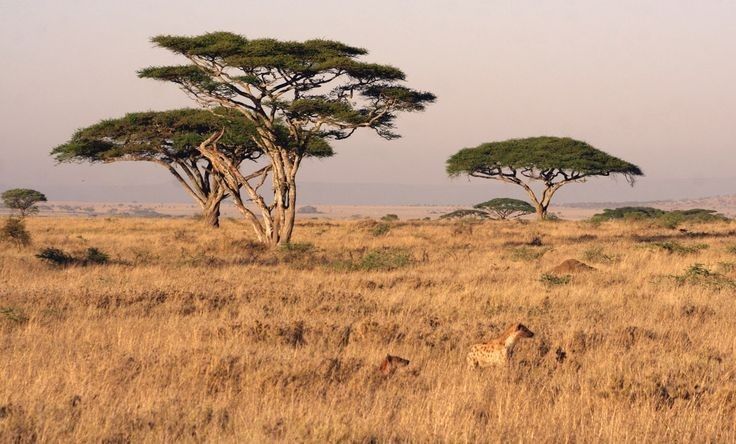
Located in southwestern Kenya along the border with Tanzania’s Serengeti National Park, the Maasai Mara forms part of one of the largest and most important wildlife ecosystems in Africa. The reserve covers approximately 1,510 square kilometers of rolling grasslands, riverine forests, and scattered acacia trees that support an extraordinary diversity of wildlife throughout the year.
Beyond its famous game drives, the Maasai Mara offers visitors the chance to experience Maasai culture, enjoy luxury or budget accommodations, witness dramatic predator-prey interactions, and photograph some of Africa’s most iconic landscapes. This comprehensive Maasai Mara safari guide covers everything you need to know before planning your visit.
Where Is the Maasai Mara National Reserve?
The Maasai Mara National Reserve is situated in Narok County, approximately 270 kilometers southwest of Nairobi. It borders Tanzania’s Serengeti National Park, allowing wildlife to move freely across one of Africa’s most significant conservation landscapes.
The reserve derives its name from the Maasai people, who have lived alongside wildlife in this region for centuries, and the Mara River, which flows through the reserve and plays a vital role in sustaining its rich biodiversity.
Its location within the Great Rift Valley ecosystem contributes to its fertile grasslands, making it one of Africa’s most productive wildlife habitats.
Why the Maasai Mara Is World Famous
The Maasai Mara has earned global recognition for several reasons, but none is more famous than the annual Great Wildebeest Migration. Every year between July and October, more than two million wildebeests, zebras, and gazelles cross from Tanzania’s Serengeti into Kenya in search of fresh grazing.
These dramatic migrations attract predators such as lions, cheetahs, leopards, hyenas, and crocodiles, creating one of the greatest wildlife spectacles on Earth.
Even outside the migration season, the reserve supports remarkable wildlife densities, making it one of Africa’s best destinations for year-round game viewing.
Its combination of abundant animals, open landscapes, experienced safari guides, and excellent accommodation has firmly established the Maasai Mara as one of the world’s premier safari destinations.
Wildlife You Can Expect to See
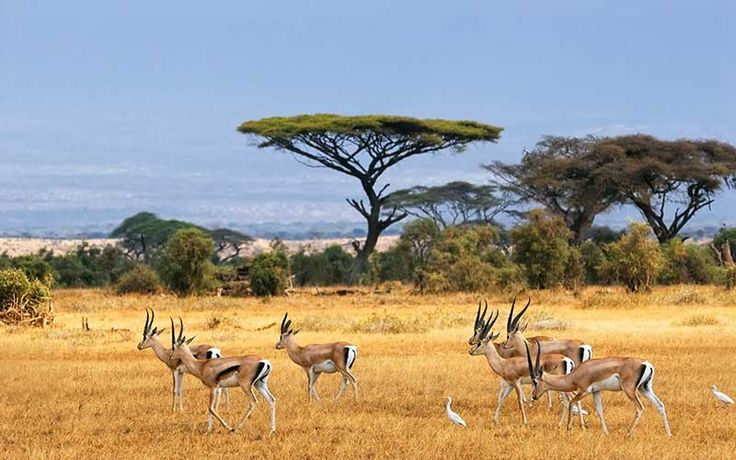
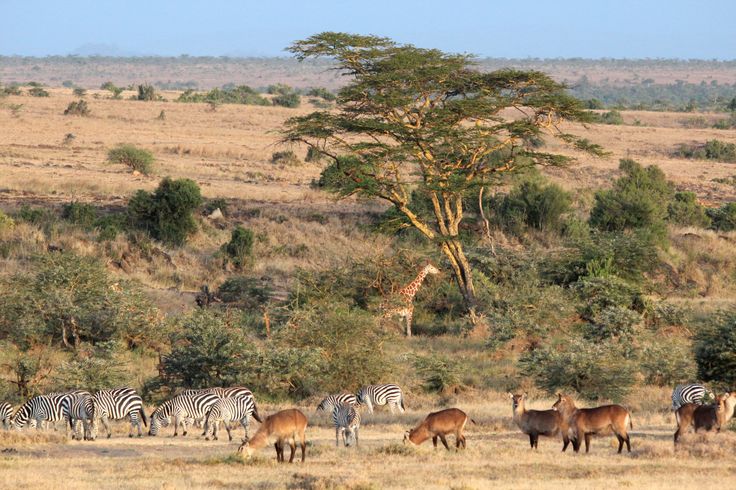
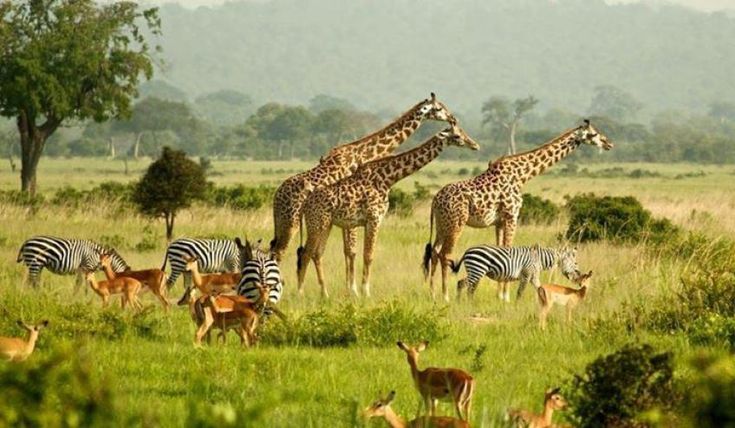
The Maasai Mara is home to an astonishing variety of wildlife, making every game drive unique.
The reserve supports healthy populations of the Big Five, including lions, elephants, leopards, buffaloes, and black rhinos. Lions are particularly abundant, and visitors often observe entire prides resting beneath acacia trees or stalking prey across the grasslands.
Cheetahs thrive in the open plains where they use their incredible speed to hunt gazelles. Leopards, although more elusive, are regularly spotted resting in large riverine trees or moving quietly through dense vegetation.
Large herds of elephants roam the reserve alongside buffaloes, giraffes, zebras, wildebeests, impalas, topis, elands, and numerous other herbivores that sustain the park’s predator populations.
The Mara River also supports hippos and Nile crocodiles, both of which become central attractions during the migration season.
The Great Wildebeest Migration
The Great Wildebeest Migration is undoubtedly the Maasai Mara’s most famous attraction.
Every year, millions of wildebeests, accompanied by hundreds of thousands of zebras and gazelles, move north from Tanzania into Kenya following seasonal rainfall and fresh grass. This continuous migration forms part of a natural cycle that has existed for thousands of years.
The most dramatic moments occur at the Mara River, where enormous herds gather before making dangerous crossings through crocodile-infested waters. These crossings are unpredictable, often requiring patience, but they reward visitors with unforgettable wildlife encounters.
While the migration usually peaks between July and October, exact timing varies depending on rainfall patterns.
Best Time to Visit the Maasai Mara
Although the Maasai Mara offers exceptional wildlife viewing throughout the year, each season provides a slightly different experience.
The dry season from June to October is generally considered the best time to visit. Wildlife becomes easier to spot as vegetation thins, and the Great Wildebeest Migration reaches its peak during these months.
January through March also offers excellent game viewing. The weather is warm, visitor numbers are lower, and many herbivores give birth, attracting predators and creating exciting wildlife interactions.
The rainy seasons transform the reserve into a lush green landscape filled with migratory birds and dramatic skies. While occasional showers occur, wildlife remains abundant, and accommodation prices are often more affordable.
Game Drives: The Heart of Every Safari
Game drives remain the most popular activity in the Maasai Mara and provide visitors with the opportunity to explore the reserve’s diverse ecosystems.
Morning game drives begin shortly after sunrise when predators are still active and temperatures remain cool. Afternoon drives offer another chance to observe wildlife as animals emerge from shaded areas to feed and socialize before sunset.
Professional guides play a vital role in enhancing the experience. Their knowledge of animal behavior, tracking skills, and communication with other guides often lead visitors to remarkable wildlife sightings that might otherwise go unnoticed.
Each game drive is different, ensuring that no two safari experiences are ever exactly alike.
Hot Air Balloon Safaris
For travelers seeking a unique perspective, a hot air balloon safari is one of the most memorable experiences available in the Maasai Mara.
Flights begin before sunrise, allowing passengers to drift silently above the savanna as the first light illuminates the landscape below. From the air, visitors can observe elephant herds, giraffes, wildebeests, and other wildlife moving across the plains while appreciating the immense scale of the reserve.
Most balloon safaris conclude with a traditional champagne breakfast served in the bush, adding another memorable element to the experience.
Although this activity comes at an additional cost, many visitors consider it one of the highlights of their safari.
Visiting a Maasai Village
A safari in the Maasai Mara is not complete without learning about the people whose name the reserve proudly bears.
Many tour operators organize visits to nearby Maasai villages, where guests gain insight into traditional customs, livestock practices, architecture, music, and dance. Visitors also have opportunities to learn about beadwork, traditional medicine, and the Maasai’s long-standing relationship with wildlife.
Responsible cultural tourism provides income for local communities while helping preserve important traditions for future generations.
Approaching these experiences with respect and curiosity enriches any safari itinerary.
Birdwatching in the Maasai Mara
Although famous for large mammals, the Maasai Mara is equally rewarding for bird enthusiasts.
More than 470 bird species have been recorded within the reserve, making it one of East Africa’s premier birdwatching destinations. Eagles, vultures, secretary birds, hornbills, kingfishers, ostriches, and colorful bee-eaters are commonly observed during game drives.
The reserve’s rivers, wetlands, woodlands, and open grasslands each support different bird communities, ensuring rewarding sightings throughout the year.
Even visitors primarily interested in mammals often discover a new appreciation for Kenya’s remarkable birdlife.
Accommodation Options
The Maasai Mara offers accommodation to suit virtually every travel style and budget.
Budget travelers can choose comfortable campsites and simple lodges that provide excellent value while maintaining easy access to wildlife. Mid-range tented camps combine comfort with an authentic safari atmosphere, offering private bathrooms, quality dining, and guided game drives.
Luxury lodges and exclusive tented camps provide premium experiences featuring spacious suites, gourmet cuisine, spa facilities, private decks, and personalized service. Many are located within private conservancies where visitor numbers are limited, allowing for more exclusive wildlife encounters.
Booking accommodation several months in advance is recommended, particularly during the migration season.
How to Get to the Maasai Mara
Travelers can reach the Maasai Mara either by road or by air.
Driving from Nairobi typically takes between five and six hours, depending on road conditions and the specific entrance gate. Road travel allows visitors to experience Kenya’s changing landscapes and rural communities along the way.
Domestic flights from Nairobi’s Wilson Airport reach several airstrips within the reserve in approximately one hour, making flying an attractive option for travelers with limited time or those seeking greater comfort.
Many safari packages include transportation, simplifying travel logistics.
Responsible Safari Practices
Protecting the Maasai Mara’s extraordinary wildlife depends on responsible tourism.
Visitors should always follow their guide’s instructions, remain inside safari vehicles except in designated areas, and avoid disturbing wildlife by making excessive noise or attempting to attract animals for photographs.
Maintaining safe viewing distances allows animals to behave naturally while ensuring visitor safety.
Supporting environmentally responsible lodges and locally owned businesses also contributes to conservation and strengthens nearby communities that play an important role in protecting the ecosystem.
Tips for First-Time Visitors
First-time visitors often benefit from spending at least three full days in the Maasai Mara. This allows enough time to explore different areas of the reserve and increases the likelihood of observing a wide variety of wildlife.
Packing lightweight clothing in neutral colors, carrying binoculars, bringing a quality camera, and preparing for early morning departures all contribute to a more enjoyable safari.
Remaining patient is equally important. Wildlife encounters cannot be scheduled, and some of the most rewarding moments occur unexpectedly when visitors take time to observe rather than rush through the reserve.
A flexible attitude often leads to the most memorable safari experiences.
Conclusion
This Maasai Mara Safari Guide highlights why the reserve remains one of the world’s most extraordinary wildlife destinations. From the dramatic Great Wildebeest Migration and exceptional Big Five sightings to breathtaking landscapes and meaningful cultural experiences, the Maasai Mara offers an authentic African safari that exceeds expectations.
Whether you choose a luxury tented camp overlooking the plains, a family-friendly lodge, or a budget safari package, every visit provides opportunities to witness nature at its most spectacular. Combined with knowledgeable guides, world-class conservation efforts, and the warm hospitality of the Maasai people, the reserve delivers experiences that stay with travelers for a lifetime.
For anyone planning a safari in Kenya, the Maasai Mara is more than just a destination—it is an unforgettable journey into the heart of Africa’s wild beauty.