A savanna safari in Kenya is one of the world’s greatest wildlife experiences. Home to some of Africa’s most iconic national parks and game reserves, Kenya offers visitors the opportunity to observe hundreds of animal species thriving in their natural habitats. From the powerful roar of a lion at dawn to a herd of elephants crossing the plains at sunset, every game drive promises unforgettable encounters.
Kenya’s savannas are rich ecosystems that support an incredible diversity of mammals, birds, reptiles, and insects. These open grasslands, dotted with acacia trees, seasonal rivers, and wetlands, provide ideal habitats for predators and herbivores alike. Whether you are visiting the Maasai Mara, Amboseli, Tsavo, Samburu, or Lake Nakuru National Park, you’ll discover wildlife that has captivated travelers, photographers, and conservationists for generations.
This complete wildlife guide explores the animals you are most likely to encounter on a Kenyan savanna safari, where to find them, and the best times to see them.
Why Kenya Is One of Africa’s Best Wildlife Destinations
Kenya is internationally recognized for its exceptional biodiversity and well-managed protected areas. The country is home to more than 25,000 animal species and over 1,100 bird species, making it one of the most rewarding safari destinations on the continent.
Several factors make Kenya unique:
- Extensive national parks and game reserves
- Diverse ecosystems ranging from open savannas to wetlands and forests
- Healthy populations of large mammals
- The annual Great Wildebeest Migration
- Strong wildlife conservation initiatives
- Experienced safari guides and tour operators
These factors ensure that visitors enjoy excellent wildlife viewing throughout the year.
The Big Five
The “Big Five” are the most sought-after animals on any African safari. Originally named by hunters because they were the most difficult animals to hunt on foot, today they represent the ultimate wildlife viewing experience.
1. African Lion
Often called the “King of the Jungle,” the African lion is one of Kenya’s most iconic predators. Lions live in social groups known as prides and spend much of the day resting before becoming active during the cooler hours.
Best Places to See Lions
- Maasai Mara National Reserve
- Amboseli National Park
- Tsavo East National Park
- Tsavo West National Park
- Nairobi National Park
Visitors may witness lions hunting, caring for cubs, defending territory, or relaxing beneath acacia trees.
2. African Elephant
Kenya is home to some of Africa’s largest elephant populations. These intelligent giants play a vital role in maintaining the savanna ecosystem by dispersing seeds and creating pathways through vegetation.
Best Places to See Elephants
- Amboseli National Park
- Tsavo East National Park
- Tsavo West National Park
- Samburu National Reserve
- Meru National Park
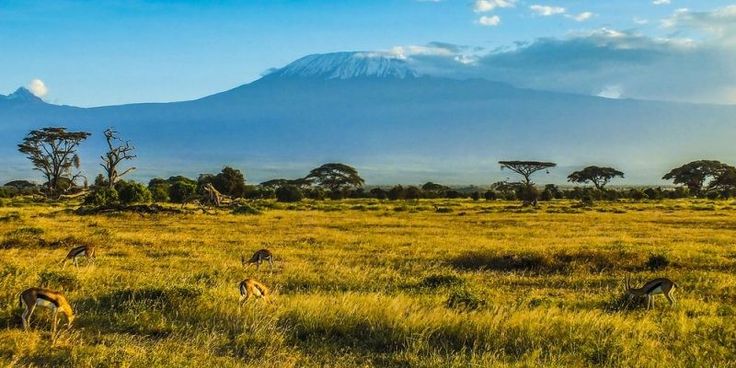
Amboseli is especially famous for its large elephant herds set against the spectacular backdrop of Mount Kilimanjaro.
3. Leopard
Leopards are elusive and solitary cats known for their remarkable camouflage and climbing ability.
They often rest in trees during the day and become more active at night.
Best Locations
- Maasai Mara
- Samburu National Reserve
- Meru National Park
- Tsavo West National Park
Spotting a leopard is often considered one of the highlights of any safari.
4. Cape Buffalo
Cape buffaloes are among Africa’s most powerful and unpredictable animals. They usually travel in large herds that can number hundreds of individuals.
Common Locations
- Maasai Mara
- Amboseli
- Tsavo
- Lake Nakuru
- Meru
Buffaloes frequently gather near rivers and watering holes, especially during the dry season.
5. Rhinoceros
Kenya protects both black and white rhinoceroses through dedicated conservation programs.
Best Parks
- Lake Nakuru National Park
- Nairobi National Park
- Ol Pejeta Conservancy
- Tsavo West Rhino Sanctuary
Seeing a rhino in the wild is a memorable experience and highlights the importance of ongoing conservation efforts.
Kenya’s Big Cats
Kenya is one of the best countries in Africa for observing large predators.
Cheetah
The cheetah is the fastest land animal, capable of reaching speeds of over 100 km/h during short bursts.
Unlike lions, cheetahs rely on speed rather than strength to catch prey.
Best locations include:
- Maasai Mara
- Amboseli
- Samburu
Open grasslands provide ideal hunting conditions.
Hyena
Although often misunderstood, spotted hyenas are highly intelligent hunters.
They possess powerful jaws and frequently hunt cooperatively in clans.
Hyenas are commonly seen in:
- Maasai Mara
- Tsavo
- Amboseli
- Samburu
Their distinctive calls are often heard during evening game drives.
Herbivores of the Kenyan Savanna
Large herbivores dominate Kenya’s grasslands and provide food for many predators.
Giraffe
Kenya is home to several giraffe species and subspecies, including:
- Masai giraffe
- Reticulated giraffe
Best viewing areas include:
- Maasai Mara
- Samburu
- Nairobi National Park
- Amboseli
Giraffes are easily recognized by their long necks and graceful movements.
Zebra
Two zebra species occur in Kenya:
- Plains zebra
- Grevy’s zebra
Grevy’s zebras are rare and are mainly found in northern Kenya, especially Samburu National Reserve.
Wildebeest
The blue wildebeest is famous for participating in the annual Great Migration.
Millions migrate between Tanzania’s Serengeti and Kenya’s Maasai Mara every year.
Their migration supports one of the world’s richest predator-prey ecosystems.
Antelope Species
Kenya supports numerous antelope species, including:
- Impala
- Thomson’s gazelle
- Grant’s gazelle
- Eland
- Topi
- Waterbuck
- Hartebeest
- Dik-dik
- Oryx
- Gerenuk
Each occupies different habitats across Kenya’s parks and reserves.
Primates
Kenya’s savannas are also home to several fascinating primates.
Common sightings include:
- Olive baboons
- Vervet monkeys
- Sykes monkeys
- Colobus monkeys (in forested areas)
Baboons are particularly common near park entrances and picnic sites.
Hippos and Crocodiles
Kenya’s rivers, lakes, and wetlands support large populations of aquatic wildlife.
Hippopotamus
Hippos spend most daylight hours submerged in water to keep cool before emerging at night to graze.
Popular viewing locations include:
- Mara River
- Lake Naivasha
- Mzima Springs
- Galana River
Nile Crocodile
The Nile crocodile is Africa’s largest reptile and an apex aquatic predator.
One of the best opportunities to observe crocodiles is during the Great Wildebeest Migration, when herds cross the Mara River.
Rare Animals Found in Kenya
Some wildlife species are only found in northern Kenya or are rarely seen elsewhere.
These include:
- Grevy’s zebra
- Reticulated giraffe
- Beisa oryx
- Somali ostrich
- Gerenuk
- African wild dog (occasionally)
- Aardwolf
- Caracal
- Serval cat
Samburu National Reserve is one of the best destinations for spotting these unique species.
Birds of the Kenyan Savanna
Kenya is one of Africa’s top birdwatching destinations, attracting bird enthusiasts from around the world.
Popular species include:
- Secretary bird
- African fish eagle
- Lilac-breasted roller
- Martial eagle
- Crowned crane
- Kori bustard
- Ostrich
- Hornbills
- Kingfishers
- Bee-eaters
- Vultures
- Marabou stork
Lake Nakuru is particularly famous for its seasonal flamingo populations and diverse waterbirds.
Best Parks for Wildlife Viewing
Each safari destination offers unique wildlife experiences.
| National Park | Wildlife Highlights |
|---|---|
| Maasai Mara | Big Five, cheetahs, wildebeest migration |
| Amboseli | Elephants, lions, giraffes, birds |
| Tsavo East | Red elephants, lions, buffaloes |
| Tsavo West | Rhinos, leopards, hippos |
| Samburu | Samburu Special Five |
| Lake Nakuru | Rhinos, flamingos, Rothschild’s giraffes |
| Meru | Elephants, lions, leopards |
| Nairobi National Park | Rhinos, lions, giraffes close to the city |
Best Time for Wildlife Viewing
Although Kenya offers year-round safari opportunities, wildlife viewing is generally best during the dry seasons.
July to October
- Great Wildebeest Migration
- Easier animal sightings
- Pleasant weather
- Excellent photography
January to March
- Warm temperatures
- Calving season
- Active predators
- Excellent birdwatching
April to June
Although rainfall increases, visitors benefit from:
- Fewer tourists
- Green landscapes
- Lower accommodation rates
- Beautiful scenery
Wildlife Viewing Tips
To maximize your safari experience:
- Start game drives early in the morning.
- Remain quiet when animals are nearby.
- Carry binoculars for distant sightings.
- Wear neutral-colored clothing.
- Follow your guide’s instructions at all times.
- Bring a camera with a zoom lens.
- Be patient—wildlife sightings often reward those who wait.
Respecting wildlife and maintaining a safe distance helps protect both animals and visitors.
Conclusion
Kenya’s savannas offer one of the richest wildlife experiences on Earth. Whether you’re hoping to tick the Big Five off your bucket list, photograph the Great Wildebeest Migration, observe rare species like the Grevy’s zebra and gerenuk, or simply enjoy the beauty of Africa’s iconic landscapes, a Kenyan safari delivers unforgettable moments at every turn.
Each national park and reserve has its own unique character, from the predator-rich plains of the Maasai Mara to the elephant-filled landscapes of Amboseli and the rare wildlife of Samburu. By choosing the right destination and traveling during the ideal season, you’ll maximize your chances of witnessing incredible wildlife encounters while supporting conservation and sustainable tourism.
A savanna safari in Kenya is more than a holiday—it’s an opportunity to connect with nature, appreciate the diversity of African wildlife, and create memories that will last a lifetime.