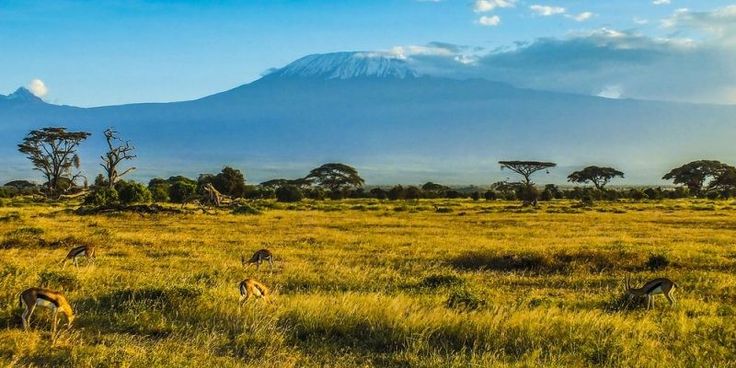
A Kenyan savanna safari is one of the most memorable travel experiences in the world. From watching lions roam the golden plains of the Maasai Mara to photographing elephants beneath Mount Kilimanjaro in Amboseli National Park, a safari offers adventure, breathtaking scenery, and unforgettable wildlife encounters.
One of the first questions travelers ask when planning a safari is, “How much does a savanna safari in Kenya cost?” The answer depends on several factors, including the destination, travel season, accommodation type, transportation, and the length of your trip. Kenya caters to every budget, offering everything from affordable camping safaris to ultra-luxury lodges with world-class amenities.
This guide provides a complete budget breakdown for a Kenyan savanna safari in 2026, helping you understand the costs involved and how to plan an unforgettable wildlife adventure without unexpected expenses.
Factors That Influence Safari Costs
No two safari packages are exactly the same. Several key factors determine the final price.
1. Safari Destination
Different parks charge different entrance fees and have varying accommodation and transport costs.
Generally:
- Maasai Mara is among the most expensive due to its popularity.
- Amboseli offers mid-range pricing with spectacular elephant viewing.
- Tsavo East and Tsavo West often provide excellent value.
- Samburu and Meru are less crowded and can be slightly more affordable.
Private conservancies usually charge higher conservation fees but offer exclusive wildlife experiences.
2. Length of the Safari
The longer your safari, the higher the overall cost.
Typical itineraries include:
- 2–3 days – Ideal for weekend trips.
- 4–5 days – The most popular option.
- 6–8 days – Covers multiple parks.
- 9–14 days – Comprehensive wildlife adventure across Kenya.
Longer safaris increase costs for accommodation, meals, transport, and park entry fees.
3. Time of Year
Kenya has two primary safari seasons.
Peak Season (July–October)
This coincides with the Great Wildebeest Migration and offers exceptional wildlife viewing.
Advantages include:
- Excellent game viewing
- Dry roads
- Pleasant weather
- High chances of spotting predators
However, accommodation prices are at their highest during this period.
Low Season (April–June)
During the long rains, safari prices are generally lower.
Benefits include:
- Discounted accommodation
- Fewer tourists
- Lush green landscapes
- Excellent photography opportunities
Although occasional rain may affect travel, wildlife viewing remains rewarding.
Budget Categories
Budget Safaris
Budget safaris are ideal for students, backpackers, solo travelers, and families seeking affordable adventures.
Typical inclusions:
- Shared safari vehicle
- Budget lodges or camping
- Basic meals
- Professional driver-guide
- Scheduled game drives
Estimated cost:
USD 180–300 per person per day
Mid-Range Safaris
Mid-range packages offer greater comfort while remaining reasonably priced.
They typically include:
- Comfortable lodges or tented camps
- Private bathrooms
- Better dining options
- Modern safari vehicles
- Small group game drives
Estimated cost:
USD 300–600 per person per day
Luxury Safaris
Luxury safaris provide premium accommodations and personalized experiences.
Expect:
- Five-star safari lodges
- Luxury tented camps
- Fine dining
- Private game drives
- Spa facilities
- Swimming pools
- Exclusive wildlife conservancies
Estimated cost:
USD 600–1,500+ per person per day
Some ultra-luxury safaris exceed USD 2,500 per night.
Park Entry Fees
Park fees form a significant portion of any safari budget. Fees vary depending on the park, residency status, and season.
Popular parks include:
- Maasai Mara National Reserve
- Amboseli National Park
- Tsavo East National Park
- Tsavo West National Park
- Lake Nakuru National Park
- Samburu National Reserve
- Nairobi National Park
International visitors generally pay higher fees than Kenyan citizens and East African residents. Always check the latest rates before booking, as park fees may change annually.
Transportation Costs
Transportation depends on your itinerary and travel style.
Road Safaris
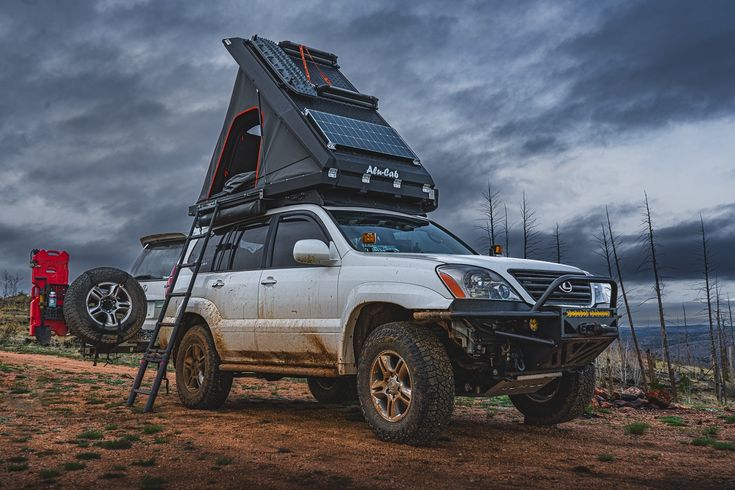
Most visitors travel in customized 4×4 Land Cruisers or safari vans.
Advantages:
- Lower cost
- Scenic journeys
- Opportunities to visit multiple parks
Road safaris are ideal for destinations within driving distance of Nairobi.
Fly-in Safaris
Domestic flights connect Nairobi with major safari destinations such as Maasai Mara, Amboseli, Samburu, and Meru.
Benefits include:
- Saves travel time
- Greater comfort
- Stunning aerial views
- More time for game drives
Fly-in safaris are more expensive but are ideal for travelers with limited time.
Accommodation Costs
Accommodation has a major impact on your safari budget.
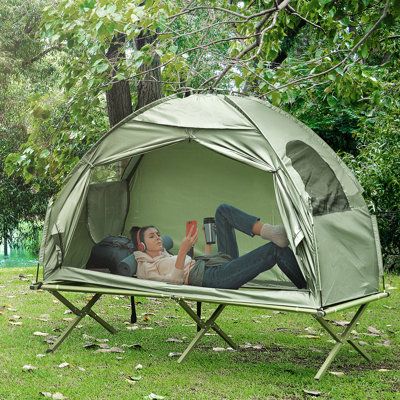
Campsites
Budget-friendly camps provide:
- Shared facilities
- Basic tents
- Affordable meals
- Community atmosphere
Suitable for adventurous travelers.
Budget Lodges
Budget lodges offer:
- Private rooms
- Comfortable beds
- Restaurant facilities
- Essential amenities
An excellent option for travelers seeking value.
Tented Safari Camps
Modern tented camps combine the excitement of camping with hotel-like comfort.
Features often include:
- Ensuite bathrooms
- Comfortable beds
- Electricity
- Hot showers
- Restaurant services
Many overlook rivers or wildlife-rich plains.
Luxury Safari Lodges
Premium lodges offer:
- Spacious suites
- Fine dining
- Infinity pools
- Spa services
- Private decks
- Exceptional wildlife views
Some lodges are located inside private conservancies, offering exclusive game drives with fewer vehicles.
Meals and Drinks
Most safari packages include:
- Breakfast
- Lunch
- Dinner
- Drinking water during game drives
Luxury lodges may also include:
- Bush breakfasts
- Sundowner cocktails
- Gourmet dining
- Special dietary options
Alcoholic beverages are often charged separately unless specified in the package.
Optional Activities
Many safari operators offer additional experiences for an extra fee.
Popular options include:
- Hot air balloon safaris
- Maasai cultural village visits
- Guided nature walks
- Night game drives
- Birdwatching excursions
- Bush dinners
- Professional photography tours
These activities can significantly enhance your safari experience and are worth considering when budgeting.
Sample Safari Budgets
Budget Safari (3 Days)
Estimated expenses:
- Accommodation
- Meals
- Shared transport
- Park entry fees
- Game drives
Approximate total:
USD 600–900 per person
Mid-Range Safari (5 Days)
Includes:
- Comfortable lodge
- 4×4 vehicle
- Professional guide
- Park fees
- Meals
Approximate total:
USD 1,500–2,800 per person
Luxury Safari (7 Days)
Includes:
- Luxury lodge
- Private guide
- Fly-in transfers
- Premium dining
- Exclusive game drives
Approximate total:
USD 4,500–10,000+ per person
Money-Saving Tips
A memorable safari doesn’t always require a luxury budget. Consider these strategies to reduce costs:
- Travel during the low or shoulder season.
- Join a group safari instead of booking privately.
- Compare packages from several reputable tour operators.
- Book well in advance to secure early-bird discounts.
- Choose parks that are closer together to reduce transport costs.
- Stay in quality mid-range lodges for a balance of comfort and affordability.
- Look for packages that include park fees, meals, and transfers to avoid hidden costs.
Choosing the Right Safari Package
Before booking, compare what each package includes.
Look for:
- Park entry fees
- Accommodation quality
- Number of game drives
- Type of safari vehicle
- Group size
- Meals included
- Airport transfers
- Guide qualifications
- Cancellation policy
Reading recent customer reviews and confirming all inclusions before payment can help you avoid unexpected expenses.
Conclusion
The cost of a savanna safari in Kenya varies depending on your travel style, destination, and the experiences you choose. Budget travelers can enjoy an incredible safari for a few hundred dollars over several days, while luxury travelers can indulge in exclusive lodges, private game drives, and fly-in safaris that offer unmatched comfort and convenience.
By understanding the key cost factors, comparing safari packages, and planning your trip carefully, you can find an option that fits your budget without compromising on the experience. Whether you dream of witnessing the Great Wildebeest Migration, photographing the Big Five, or relaxing in a luxury lodge overlooking the savanna, Kenya offers exceptional safari adventures for every traveler. Careful planning ensures you get the best value while creating memories that will last a lifetime.