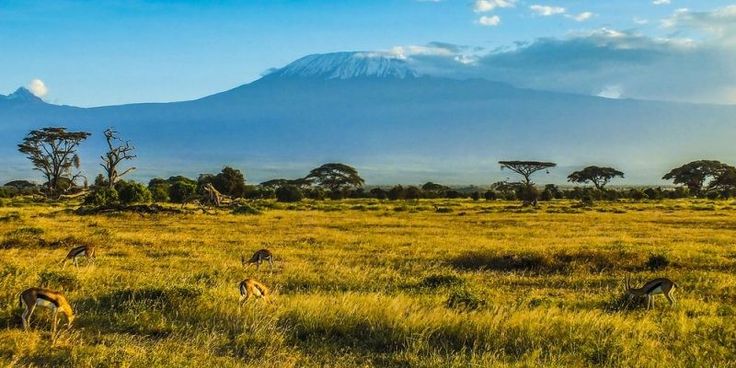
Kenya is one of Africa’s most celebrated savanna safari destinations, offering breathtaking landscapes, abundant wildlife, and unforgettable adventures across its vast savanna ecosystems. Every year, thousands of travelers visit the country to experience close encounters with the iconic Big Five, witness the spectacular Great Wildebeest Migration, and immerse themselves in the rich cultural heritage of local communities such as the Maasai and Samburu.
A savanna safari in Kenya is much more than simply spotting wild animals. It is an opportunity to explore diverse national parks and game reserves, photograph stunning sunsets over golden grasslands, and appreciate the delicate balance between wildlife conservation and sustainable tourism. Whether you are planning your first African safari or returning for another adventure, Kenya offers experiences suitable for every type of traveler—from luxury safari lodges to affordable camping safaris.
This comprehensive guide explores everything you need to know about savanna safaris in Kenya. You’ll discover the country’s best safari destinations, the incredible wildlife that calls Kenya home, the ideal times to visit, practical travel tips, and how to choose the perfect safari package for your budget.
What Is a Savanna Safari?
A savanna safari is a guided wildlife adventure through expansive tropical grasslands characterized by scattered trees, shrubs, and open plains. These ecosystems support one of the highest concentrations of wildlife on Earth, making them ideal for game viewing.
Kenya’s savannas are among the most biodiverse landscapes in Africa. They provide habitats for hundreds of mammal species, reptiles, birds, and insects, many of which are unique to East Africa.
During a typical safari, visitors travel in specially designed 4×4 vehicles led by experienced guides who understand animal behavior and know the best locations for wildlife sightings. Game drives usually take place early in the morning and late in the afternoon when animals are most active.
Beyond wildlife viewing, many safari itineraries include:
- Guided nature walks
- Birdwatching excursions
- Cultural visits to Maasai villages
- Hot air balloon safaris
- Bush breakfasts and dinners
- Luxury tented camping
- Photography expeditions
- Conservation experiences
These activities provide travelers with a deeper appreciation of Kenya’s remarkable natural heritage.
Why Kenya Is Famous for Savanna Safaris
Kenya has earned its reputation as one of the world’s premier safari destinations for several compelling reasons.
Exceptional Wildlife Diversity
Kenya is home to more than 25,000 animal species, including some of Africa’s most iconic wildlife. Visitors commonly encounter:
- African elephants
- Lions
- Leopards
- Buffaloes
- Black and white rhinoceroses
- Cheetahs
- Giraffes
- Zebras
- Wildebeests
- Hyenas
- Hippos
- Crocodiles
The country’s varied ecosystems ensure that every safari offers unique wildlife encounters.
Home of the Great Wildebeest Migration
One of the greatest natural spectacles on Earth is the annual Great Wildebeest Migration. Between July and October, more than two million wildebeests, zebras, and gazelles cross from Tanzania’s Serengeti into Kenya’s Maasai Mara in search of fresh grazing.
This dramatic migration attracts predators such as lions, leopards, crocodiles, and cheetahs, creating extraordinary opportunities for wildlife photography.
Excellent National Parks
Kenya boasts over 50 protected national parks, reserves, and conservancies. These protected areas safeguard wildlife while supporting eco-tourism and local communities.
Each park offers unique landscapes, wildlife, and safari experiences.
Rich Cultural Experiences
Kenyan safaris often include interactions with indigenous communities. Visitors can learn about the traditions, dances, crafts, and lifestyles of the Maasai, Samburu, and other ethnic groups, adding cultural depth to their wildlife adventure.
Best Savanna Safari Destinations in Kenya
1. Maasai Mara National Reserve
The Maasai Mara is Kenya’s most famous safari destination and consistently ranks among the best wildlife reserves in the world.
Highlights include:
- The Great Wildebeest Migration
- Exceptional Big Five sightings
- Luxury safari camps
- Hot air balloon safaris
- Endless golden savanna landscapes
- Outstanding wildlife photography opportunities
Wildlife commonly seen includes lions, elephants, cheetahs, leopards, buffaloes, giraffes, zebras, wildebeests, hyenas, and numerous antelope species.
The Maasai Mara offers year-round game viewing, making it ideal for both first-time and experienced safari enthusiasts.
2. Amboseli National Park
Located near the Tanzania border, Amboseli National Park is renowned for its large elephant herds and breathtaking views of Mount Kilimanjaro.
Visitors enjoy:
- Close encounters with elephants
- Scenic landscapes
- Birdwatching
- Excellent photography
- Observation Hill viewpoints
- Swamp ecosystems rich in wildlife
Amboseli is one of Africa’s best locations for photographing elephants against the backdrop of Africa’s highest mountain.
3. Tsavo East and Tsavo West National Parks
Together, Tsavo East and Tsavo West form one of the largest protected wildlife ecosystems in Africa.
These parks are famous for:
- Red-dust elephants
- Lava fields
- Volcanic landscapes
- Mzima Springs
- Large lion populations
- Black rhinos
- Diverse birdlife
Their vast wilderness offers a more remote and less crowded safari experience compared to some of Kenya’s more popular parks.
4. Samburu National Reserve
Nestled in Kenya’s semi-arid northern region, Samburu National Reserve offers a safari experience unlike any other. The reserve is characterized by rugged landscapes, acacia woodlands, and the life-giving Ewaso Ng’iro River, which attracts an incredible variety of wildlife throughout the year.
Samburu is particularly famous for the “Samburu Special Five,” a group of rare animals that are difficult to find in southern Kenya:
- Grevy’s zebra
- Reticulated giraffe
- Somali ostrich
- Beisa oryx
- Gerenuk
The reserve is also home to lions, leopards, elephants, cheetahs, crocodiles, hippos, and over 450 bird species. Because visitor numbers are generally lower than in the Maasai Mara, travelers often enjoy quieter game drives and more exclusive wildlife encounters.
5. Nairobi National Park
Just a short drive from Nairobi’s city center lies one of the world’s most unique wildlife destinations. Nairobi National Park is the only national park located adjacent to a capital city, allowing visitors to enjoy a genuine safari experience without traveling far.
Despite its proximity to urban development, the park supports a remarkable diversity of wildlife, including:
- Lions
- Black rhinos
- Buffaloes
- Giraffes
- Zebras
- Ostriches
- Cheetahs
- Hyenas
- Numerous antelope species
The contrast between wildlife roaming freely against the backdrop of Nairobi’s skyline makes the park a favorite destination for photographers and travelers with limited time.
6. Meru National Park
Meru National Park is one of Kenya’s hidden gems. After extensive conservation efforts, the park has recovered remarkably and now boasts healthy wildlife populations in a peaceful and uncrowded setting.
Visitors can expect to see:
- Elephants
- Lions
- Leopards
- Rhinos
- Buffaloes
- Cheetahs
- Hippos
- Crocodiles
The park features rivers, swamps, forests, and open savannas that create diverse habitats for wildlife. Meru is also famous as the home of Elsa the lioness from the internationally acclaimed book and film Born Free.
Wildlife You Can Expect to See
One of the biggest attractions of a Kenyan savanna safari is the incredible diversity of wildlife. Every game drive presents new opportunities to observe animals in their natural environment.
The Big Five
Originally named by hunters for being the most challenging animals to hunt on foot, the Big Five are now among the most sought-after wildlife sightings for photographers and safari enthusiasts.
They include:
- Lion
- Leopard
- African elephant
- Cape buffalo
- Black or white rhinoceros
Seeing all five during a single safari is possible, particularly in destinations such as the Maasai Mara and private conservancies.
Big Cats
Kenya is renowned for its healthy populations of predators, making it one of Africa’s top destinations for observing big cats.
Common sightings include:
- Lions resting under acacia trees
- Leopards hiding in tree branches
- Cheetahs sprinting across open plains
- Spotted hyenas scavenging or hunting
- African wild dogs in select conservation areas
Watching predators stalk prey is one of the most thrilling experiences on any safari.
Herbivores
Kenya’s savannas support enormous populations of grazing animals that form the foundation of the ecosystem.
Frequently seen species include:
- Wildebeests
- Plains zebras
- Masai giraffes
- Impalas
- Gazelles
- Elands
- Waterbucks
- Topis
- Hartebeests
- Warthogs
These herbivores attract predators and play a crucial role in maintaining ecological balance.
Birdlife
Kenya is a paradise for birdwatchers, with over 1,100 recorded bird species.
Popular birds include:
- African fish eagle
- Secretary bird
- Lilac-breasted roller
- Crowned crane
- Ostrich
- Vultures
- Hornbills
- Kingfishers
- Bee-eaters
- Flamingos (particularly around the Rift Valley lakes)
Many safari operators offer specialized birdwatching tours led by experienced guides.
The Great Wildebeest Migration
The Great Wildebeest Migration is often called the “Greatest Wildlife Show on Earth.” Every year, more than two million wildebeests, zebras, and gazelles travel in a continuous circular migration between Tanzania’s Serengeti and Kenya’s Maasai Mara.
Why the Migration Happens
The migration is driven by seasonal rainfall and the search for fresh grazing lands and water. As the rains shift across the Serengeti-Mara ecosystem, the herds follow the newly available vegetation.
River Crossings
One of the most dramatic moments occurs when the herds cross the Mara River.
These crossings feature:
- Thousands of wildebeests entering the river simultaneously
- Powerful currents
- Nile crocodiles waiting to ambush prey
- Predators such as lions and leopards nearby
Witnessing a river crossing is considered one of Africa’s most unforgettable wildlife experiences.
Best Time to Visit Kenya for a Savanna Safari
Kenya offers rewarding safari experiences throughout the year, but different seasons provide different advantages.
July to October
This is considered the peak safari season because it coincides with:
- The Great Wildebeest Migration
- Dry weather
- Easier wildlife viewing
- Pleasant temperatures
- Excellent photography conditions
Because demand is high, accommodations should be booked several months in advance.
January to March
This period offers:
- Warm weather
- Fewer tourists
- Excellent visibility
- Calving season for many animals
- Outstanding birdwatching opportunities
Predator activity is often high during the calving season, making it an exciting time for wildlife enthusiasts.
April to June
These months correspond to Kenya’s long rainy season. Although some roads may become challenging to navigate, travelers benefit from:
- Lower accommodation rates
- Lush green landscapes
- Fewer crowds
- Beautiful scenery
- Excellent photographic opportunities
Many experienced safari travelers appreciate this quieter season for its value and peaceful atmosphere.