Kenya is one of the world’s leading safari destinations, attracting millions of visitors each year with its spectacular wildlife, breathtaking landscapes, and unforgettable safari experiences. Whether you dream of witnessing the Great Wildebeest Migration in the Maasai Mara, photographing elephants beneath Mount Kilimanjaro in Amboseli National Park, or exploring the remote wilderness of Samburu National Reserve, choosing the right time to visit can significantly enhance your safari experience.
Although Kenya offers excellent wildlife viewing throughout the year, each season presents unique advantages. Weather conditions, animal behavior, bird migration, vegetation, and tourist numbers all influence what you can expect during your trip. Some travelers prioritize witnessing dramatic river crossings during the Great Migration, while others prefer quieter parks, lower accommodation prices, or lush green landscapes.
This guide explains the best time to visit Kenya for a savanna safari, covering seasonal weather patterns, wildlife viewing opportunities, the Great Migration, birdwatching, photography conditions, and practical travel tips to help you plan the perfect adventure.
Understanding Kenya’s Safari Seasons
Unlike many destinations that experience four distinct seasons, Kenya has two main dry seasons and two rainy seasons. Wildlife can be seen year-round, but the changing weather affects vegetation, road conditions, and animal movements.
Dry Seasons
The dry seasons are generally considered the best time for game viewing.
January to March
This period follows the short rains and offers warm, sunny weather with clear skies. Water sources begin to shrink, encouraging animals to gather around rivers, lakes, and waterholes, making them easier to spot.
Benefits include:
- Excellent wildlife viewing
- Pleasant temperatures
- Clear visibility for photography
- Fewer visitors than during peak migration months
- Good road conditions
This is also the calving season for many herbivores, attracting predators such as lions, cheetahs, and hyenas.
June to October
This is Kenya’s peak safari season and the most popular time to visit. Cool mornings, warm afternoons, and minimal rainfall create ideal conditions for wildlife viewing.
Highlights include:
- The Great Wildebeest Migration
- Outstanding Big Five sightings
- Dry grasslands with better visibility
- Comfortable weather
- Excellent photography conditions
Because demand is high, accommodation and safari packages are usually more expensive during this period.
Rainy Seasons
Kenya experiences two rainy periods each year.
Long Rains (April to May)
The long rains transform Kenya’s landscapes into lush green plains. While rainfall can make some roads muddy, wildlife remains abundant.
Advantages include:
- Lower accommodation rates
- Fewer tourists
- Beautiful green scenery
- Dramatic skies for photography
- Excellent birdwatching
Some remote roads may become difficult to access, but major parks remain open throughout the season.
Short Rains (November to December)
The short rains are generally lighter and less disruptive than the long rains.
Visitors benefit from:
- Fresh green vegetation
- Migratory bird arrivals
- Moderate tourist numbers
- Pleasant temperatures
- Lower safari prices than peak season
Wildlife remains active, and game viewing continues to be rewarding.
The Great Wildebeest Migration
One of Kenya’s biggest attractions is the annual Great Wildebeest Migration, often referred to as the “Greatest Wildlife Show on Earth.”
Every year, more than two million wildebeests, accompanied by hundreds of thousands of zebras and gazelles, migrate between Tanzania’s Serengeti National Park and Kenya’s Maasai Mara National Reserve in search of fresh grazing.
When Does the Migration Reach Kenya?
The migration usually arrives in the Maasai Mara between July and October, although the exact timing depends on rainfall.
During this period, visitors may witness:
- Massive herds stretching across the plains
- Dramatic Mara River crossings
- Crocodiles ambushing prey
- Lions, leopards, and cheetahs hunting migrating animals
- Thousands of grazing herbivores
River crossings are unpredictable, making every safari unique.
Wildlife Viewing Throughout the Year
Different seasons provide different wildlife experiences.
January to March
Excellent for viewing:
- Lions
- Leopards
- Elephants
- Cheetahs
- Giraffes
- Zebras
- Calving herbivores
Predators are particularly active due to the abundance of young prey.
April to May
Wildlife remains plentiful despite the rains.
Common sightings include:
- Buffaloes
- Hippos
- Elephants
- Antelope
- Birds
- Giraffes
The green landscapes create stunning photographic opportunities.
June to October
This is considered the best overall safari season because animals gather around limited water sources.
Visitors frequently encounter:
- Big Five
- Wildebeest
- Zebras
- Crocodiles
- Hyenas
- Cheetahs
The dry vegetation makes animals easier to locate.
November to December
The arrival of fresh vegetation supports healthy wildlife populations.
Visitors enjoy:
- Active herbivores
- Excellent birdwatching
- Beautiful scenery
- Comfortable weather
- Fewer crowds than peak migration months
Best Time to Visit Popular Safari Destinations
Maasai Mara National Reserve
Best Time: July to October
Highlights:
- Great Wildebeest Migration
- Big Five
- Hot air balloon safaris
- Predator sightings
The Maasai Mara offers excellent wildlife viewing throughout the year, but migration season remains the most spectacular.
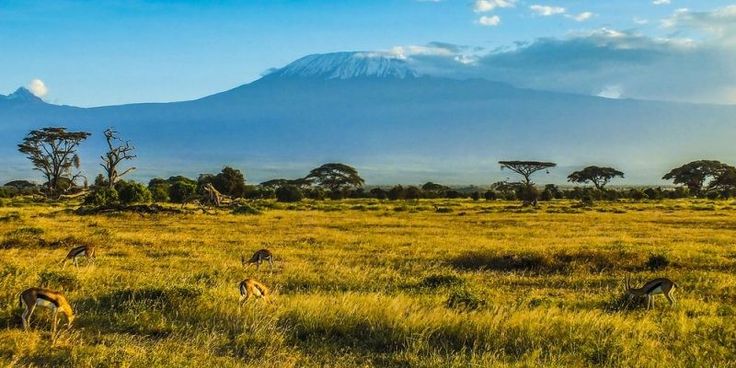
Amboseli National Park
Best Time: June to October and January to March
Visitors enjoy:
- Large elephant herds
- Mount Kilimanjaro views
- Dry conditions
- Outstanding photography
Early mornings often provide the clearest views of the mountain before clouds develop.
Tsavo East and Tsavo West National Parks
Best Time: June to October
Highlights include:
- Red elephants
- Lions
- Rhinos
- Mzima Springs
- Fewer crowds
These parks are ideal for travelers seeking a more remote safari experience.
Samburu National Reserve
Best Time: June to October and December to March
Wildlife includes:
- Grevy’s zebra
- Reticulated giraffe
- Gerenuk
- Somali ostrich
- Lions
- Leopards
The Ewaso Ng’iro River attracts wildlife throughout the year.
Lake Nakuru National Park
Best Time: Year-round
Famous for:
- Black and white rhinos
- Flamingos (seasonal)
- Rothschild’s giraffes
- Birdwatching
The park remains an excellent destination regardless of season.
Best Time for Birdwatching
Kenya is one of Africa’s leading birdwatching destinations, with more than 1,100 recorded bird species.
The best birdwatching months are:
- November
- December
- January
- February
- March
- April
During this period, migratory birds from Europe and Asia join Kenya’s resident species.
Popular birds include:
- Secretary bird
- African fish eagle
- Lilac-breasted roller
- Crowned crane
- Flamingos
- Hornbills
- Kingfishers
- Bee-eaters
Lake Nakuru, Amboseli, and Samburu are among the top birdwatching destinations.
Best Time for Photography
Photographers often prefer different seasons depending on their goals.
Dry Season
Ideal for:
- Wildlife action shots
- Predator sightings
- River crossings
- Dust-filled dramatic scenes
- Golden sunsets
Green Season
Perfect for:
- Vibrant landscapes
- Baby animals
- Flowers
- Birds
- Reflections
- Cloud-filled skies
Both seasons offer unique opportunities for capturing Kenya’s natural beauty.
Tips for Planning Your Safari
To make the most of your trip:
- Book early if traveling during July to October.
- Pack lightweight, neutral-colored clothing.
- Carry binoculars and a camera with a zoom lens.
- Bring sunscreen, sunglasses, and a hat.
- Include insect repellent in your packing list.
- Follow your guide’s safety instructions during game drives.
- Allow enough time to visit multiple parks if your schedule permits.
Planning ahead ensures a smoother and more enjoyable safari experience.
Choosing the Right Season for Your Travel Style
Your ideal travel time depends on your priorities.
Choose July to October if you want:
- The Great Wildebeest Migration
- Peak wildlife viewing
- Dry weather
- Classic safari experiences
Choose January to March if you want:
- Warm weather
- Active predators
- Calving season
- Smaller crowds
Choose April to May if you want:
- Lower prices
- Green landscapes
- Quiet parks
- Great photography
Choose November to December if you want:
- Excellent birdwatching
- Pleasant weather
- Fresh scenery
- Better accommodation availability
Conclusion
Kenya offers exceptional savanna safari experiences throughout the year, making it one of the few destinations where wildlife viewing is consistently rewarding regardless of the season. While the dry months from June to October remain the most popular due to the Great Wildebeest Migration and outstanding game viewing, the green seasons provide their own unique advantages, including lush landscapes, abundant birdlife, lower travel costs, and fewer crowds.
The best time to visit ultimately depends on your interests, budget, and travel goals. Whether you’re eager to witness dramatic river crossings in the Maasai Mara, photograph elephants in Amboseli, explore the rugged beauty of Tsavo, or discover the rare wildlife of Samburu, Kenya promises an unforgettable safari adventure.
By selecting the right season, planning your itinerary carefully, and choosing reputable safari operators, you’ll maximize your chances of experiencing Africa’s incredible wildlife in its natural habitat. A well-timed safari in Kenya is more than just a holiday—it’s a journey into one of the planet’s most remarkable ecosystems, creating memories that will last a lifetime.